
(AsiaGameHub) - Entain’s Australian brands Ladbrokes AU and Neds AU are facing regulatory trouble after an Australian Communications and Media Authority (ACMA) investigation uncovered more than 500 violations of national self-exclusion rules. The UK-headquartered gambling firm has now entered into a court-enforceable undertaking, after ACMA found its brands opened new betting accounts for people already registered with Australia’s national self-exclusion register BetStop. The company was also found to have failed to close existing wagering accounts for customers who had opted for self-exclusion. “When someone signs up to BetStop, all wagering companies are required to close every account that person holds across their services,” said ACMA member Carolyn Lidgerwood. “In this case, Entain’s internal systems did not properly identify and link all wagering accounts belonging to these customers across its platforms, including one account that stayed open for more than a year after the customer completed self-exclusion. “Once people register for self-exclusion, there should be no possible way for them to open new accounts for any licensed wagering service operating in Australia.” Not Entain’s first brush with legal trouble This is far from the first time Entain has run into legal issues tied to customer protection and gambling compliance in Australia. Back in November 2025, the Federal Court of Australia scheduled a 30 November 2026 hearing date for the lawsuit against Entain brought by Australian financial watchdog AUSTRAC. The lawsuit alleges AML (anti-money laundering) and compliance failures at Neds, Bookmaker.com.au and Ladbrokes AU. AUSTRAC claims the group’s brands operated with insufficient customer verification, inadequate source-of-funds checks, and allowed cash-deposit and third-party transaction channels that left its wagering network exposed to the risk of criminal exploitation. On top of Australian issues, the company faces additional problems in its home market of the UK, including tax increases, retail betting shop closures and a steadily tumbling share price on the London Stock Exchange over the last 12 months, and it continues to find itself wrapped up in legal disputes globally. In late March of this year, Entain was fined DKK 500,000 (£57,000) for running a ‘Risk-Free Gambling’ marketing campaign through its bwin brand in Denmark. The company has made public, intentional efforts to uphold strong player protection standards, and Chief Executive Officer Stella David is one of the most outspoken advocates for banning unlicensed brands from sponsoring English sports. Despite these efforts and public commitments, the firm remains just as liable for compliance violations as any other operator, and Australia has become a consistent hotspot of regulatory trouble for the company. In relation to this newest case, ACMA’s investigation also found Entain failed to properly promote BetStop in customer text messages and emails, as required by national rules. ACMA has secured an 18-month, court-enforceable undertaking from Entain to resolve the case. Under the terms of this agreement, the company will commission an independent review of its compliance systems and processes, and implement any recommended changes. ACMA did not issue an infringement notice in this case, as that option was not available under current rules. However, if Entain fails to meet the terms of the undertaking, it could face court-ordered financial penalties. In response to the court-enforceable undertaking, a spokesperson for Entain Australia said: “We take all our regulatory responsibilities seriously. These matters arose during the early rollout of a new national system, and we have worked constructively with ACMA to implement meaningful upgrades to our processes and controls. “Our focus is on getting this right for our customers, particularly those who choose to self-exclude, and on building long-term trust through a strong, compliance-led culture.” The spokesperson also highlighted that ACMA accepted an enforceable undertaking, rather than issuing a fine as it has done with other operators in the past, such as Betfair, PointsBet and, most recently, Tabcorp. They also confirmed that the issues are tied to the initial launch of BetStop, noting that errors are common during the early stages of any new national system, and Entain says it has already delivered significant improvements, including stronger customer matching, better account linking and ongoing system upgrades. Entain said it has engaged “constructively with the ACMA throughout, providing detailed submissions and working in good faith to address issues”. This article is provided by a third-party. AsiaGameHub (https://asiagamehub.com/) makes no warranties regarding its content. AsiaGameHub delivers targeted distribution for iGaming, Casino, and eSports, connecting 3,000+ premium Asian media outlets and 80,000+ specialized influencers across ASEAN.
Sweden introduces new compliance framework for credit checks and real-time self-exclusion

(AsiaGameHub) - The period from May to August 2026 will see Sweden’s gambling industry enter a new era of compliance and regulatory oversight, as mandated by the Gambling Inspectorate, Spelinspektionen, and the Ministry of Finance, Finansdepartementet. This update follows Spelinspektionen issuing its first compliance directive under the “comprehensive ban on credit transactions,” which has been imposed as a regulatory requirement on Swedish gambling licensees effective 1 May 2026. The credit ban represents the first consumer protection measure introduced under the updated compliance charter for the Swedish Gambling Act of 2018. Niklas Wykman The compliance reforms were led by Financial Markets Minister Niklas Wykman in collaboration with Marcus Isgren, Chairman of Reklamationsnämnden—Sweden’s Consumer Disputes Board. Starting 1 May 2026, all licensed gambling operators in Sweden must ensure that customer deposits cannot originate from credit cards, overdrafts, personal loans, or buy-now-pay-later (BNPL) services. This pioneering measure, implemented by a European jurisdiction, requires gambling licensees to verify and block external payment providers—including e-wallets—from offering any form of deferred payment options. The credit restriction was approved by Finance Minister Elisabeth Svantesson, who stated that the Tidö coalition government aims to “eliminate the dangers and risks of debt and financial harm within the gambling sector.” Minister Wykman supports this policy, emphasizing that “you simply should not bet using borrowed money,” positioning Sweden as introducing Europe’s strictest controls on credit-based gambling transactions as a core consumer safeguard. However, concerns have been raised to Spelinspektionen regarding the absence of a pilot phase before full enforcement of these new credit restrictions beginning May 2026. Operators note that the primary challenge lies in technical implementation, as Swedish authorities have acknowledged difficulties in tracing whether deposited funds ultimately come from credit sources once payments pass through bank accounts or e-wallets. Critics argue that the Ministry of Finance’s compliance directive has not yet undergone rigorous testing in today’s digital transaction environment, potentially resulting in legitimate users being barred from wagering on licensed platforms. The Ministry of Finance provided no clear guidance on modern payment systems involving fintech intermediaries, cross-border payment networks, cryptocurrency transfers, or potential circumvention via offshore operators. August overhaul of self-exclusion measures The next phase of Sweden’s compliance charter will take effect from 1 August, with the implementation of SIFS 2026:3, introducing enhanced self-exclusion and identity verification standards tied to an upgraded version of Spelpaus.se—the national central self-exclusion system. Under the revised technical framework, all gambling licensees must connect to a newly developed API infrastructure created by Spelinspektionen. This API will reference Spelpaus checks using regulator-issued Actor IDs and API Keys to carry out mandatory verification processes. These changes come amid growing pressure on Sweden’s responsible gambling infrastructure, with Spelpaus registrations now exceeding 134,500 individuals. The Inspectorate aims to transition Sweden toward real-time verification against the Spelpaus database, shifting self-exclusion controls from a passive consumer tool into an active operator compliance obligation—another groundbreaking protective measure introduced by a European gambling regulator. Knutsson appointed to lead Spelinspektionen The August self-exclusion reforms coincide with a leadership change at Spelinspektionen. Peter Knutsson has been confirmed as successor to Camilla Rosenberg, who has served as Director General since 2019. Peter Knutsson Prior to his appointment, Knutsson held roles including Sweden’s Advertising Ombudsman and senior positions related to financial supervision and consumer protection. Knutsson will oversee one of the most challenging periods of compliance adjustments faced by Swedish gambling licensees since the Gambling Act came into force in 2019. In assuming leadership of Spelinspektionen, Knutsson expressed support for stricter oversight and stronger compliance requirements for operators, stating that the regulator’s mission must prioritize consumer protection and reducing the societal risks associated with gambling. He inherits a regulatory landscape increasingly focused on consumer safeguards, payment monitoring, and real-time tracking duties, as Sweden evaluates whether tighter controls can enhance channelisation without pushing consumers toward unregulated offshore gambling options. This article is provided by a third-party. AsiaGameHub (https://asiagamehub.com/) makes no warranties regarding its content. AsiaGameHub delivers targeted distribution for iGaming, Casino, and eSports, connecting 3,000+ premium Asian media outlets and 80,000+ specialized influencers across ASEAN.
ChatBet Launches to Offer WhatsApp Conversational Betting in Latin America

(AsiaGameHub) - ChatBet has rolled out the third version of its platform, establishing itself as the conversational interface layer for the betting industry. This allows operators to provide a completely AI-powered, WhatsApp-integrated betting experience that complements their current tech infrastructure. As a B2B service provider, ChatBet integrates seamlessly on top of operators’ backend systems, introducing messaging as a fresh channel for customer acquisition, conversion, and retention—no modifications to existing backend infrastructure or extra regulatory clearances are needed. Supported by Meta as part of its WhatsApp Business ecosystem, ChatBet helps operators engage users on the platform they already frequent: messaging apps. Version three is currently active with several operators throughout Latin America, offering a more self-sufficient “AI bookmaker” experience that functions like a VIP concierge—converting natural language requests into fully structured, regulation-compliant betslips instantly. Josh Swerdlow, ChatBet’s founder, told SBC News: “We’re already operational with operators in Latin America—where WhatsApp is the leading user channel—and we’re observing robust indicators of engagement, conversion, and repeat usage. This transition isn’t just about chatbots; it’s about a new interaction framework, where conversational interfaces take the place of traditional navigation systems.” Markets like Argentina, Mexico, Chile, Peru, and Colombia are thought to have WhatsApp penetration rates of at least 75%, highlighting that Latin American users are both familiar with and at ease using the Meta-owned platform. ChatBet’s research further shows that bettors favor messaging apps over other types of mobile applications. ChatBet lets users place bets via WhatsApp by either sending a text or a voice note detailing the bet they want to make. The company’s AI system then handles the request and creates the bet, even if the message uses colloquial terms or slang. Check out an example of ChatBet in action for tonight’s Champions League semi-final second leg match between Bayern Munich and PSG below. For instance, a bettor might request to place a bet on “Los Blancos (often referred to as Galácticos in Latin America) to win by two goals”. ChatBet would identify that the bettor wants to wager on Real Madrid. ChatBet creates the betslip using the operator’s existing sportsbook setup, converting natural language requests into fully structured bets by mapping teams, markets, odds, and even relevant bonuses instantly. The system checks the bet against the operator’s live platform before showing the user a betslip ready for confirmation, eliminating the friction between a user’s intent to bet and the actual execution of that bet. In the initial weeks following the launch of the newest model version, ChatBet has delivered impressive outcomes. The solution has doubled clients’ conversion rates and increased average revenue per user by 22%. Swerdlow added: “Users are already sharing their betting intentions through conversations. This change is turning those intentions into structured, compliant bets instantly—and that’s exactly what ChatBet makes possible. Just as Google transformed search, conversational interfaces are beginning to revolutionize transactions. For betting, this means cutting down the friction between a user’s desire to bet and actually placing the bet. “Operators don’t have to overhaul their existing tech stack to leverage AI; they just need a more intelligent interface layer that works with what they already have.” ChatBet is expanding its partnerships with regulated operators across Latin America, using its position in the Meta ecosystem to link advertising, conversation, and conversion into a single trackable process. As adoption increases, Swerdlow predicts that conversational interfaces will become a key distribution channel for operators, allowing them to convert messaging interactions into measurable revenue and long-term player value. This article is provided by a third-party. AsiaGameHub (https://asiagamehub.com/) makes no warranties regarding its content. AsiaGameHub delivers targeted distribution for iGaming, Casino, and eSports, connecting 3,000+ premium Asian media outlets and 80,000+ specialized influencers across ASEAN.
Social Media Gambling Ads in the Netherlands Tarnish Industry Reputation

(AsiaGameHub) - According to reports from the research outlet Phys.org, gambling firms licensed in the Netherlands are actively promoting their services to young adults via social media platforms. By analyzing Meta’s advertising database, Dr Leon Y. Xiao identified a Facebook advertisement from the state-owned Holland Casino in early 2025. The statistics revealed that in under a week, the promotion reached 7,426 men and 9,704 women within the 18 to 24 age bracket. Another marketing campaign targeted young women by utilizing the "Get Ready With Me" makeup trend, featuring the logo for the online casino WinnItt. This brand is managed by TOTO Online BV, which is a subsidiary of another state-run entity, Nederlandse Loterij. Current Dutch gambling regulations require that all marketing efforts, for both digital and brick-and-mortar operators, must strictly avoid targeting individuals aged 18-24 on social media, as this demographic is viewed as particularly vulnerable. While Phys noted these cases as "minority examples," such infractions represent a significant blow to the reputation of the Netherlands' licensed gambling sector. Preventing these occurrences is vital, especially given the current climate where concerns regarding a growing illegal market are rising alongside increased political oversight from the new administration. This past February, Claudia Van Bruggen, the Dutch Secretary for Legal Protections, assumed responsibility for a series of Remote Gaming Act reforms initiated by her predecessor, Teun Struycken, which she must now oversee. Van Bruggen and her D66 party colleague, State Secretary of Finance Nathalie van Berkel, were recently called to account for consumer protection failures at Holland Casino—specifically an incident where individuals who had self-excluded were sent promotional materials during their cooling-off phase. With the Dutch regulated industry facing constant public scrutiny, it is more important than ever for regulators and licensed businesses to cooperate to prove that their commitment to consumer responsibility remains a top priority. This article is provided by a third-party. AsiaGameHub (https://asiagamehub.com/) makes no warranties regarding its content. AsiaGameHub delivers targeted distribution for iGaming, Casino, and eSports, connecting 3,000+ premium Asian media outlets and 80,000+ specialized influencers across ASEAN.
Why operators are quietly switching geolocation providers, according to GeoLocs

(AsiaGameHub) - As operators enter new regulated markets, geolocation is increasingly seen as essential for performance, compliance, and player experience. Once considered a static component of the tech stack, geolocation providers are now being reviewed more regularly due to evolving expectations around accuracy, scalability, and cost. GeoLocs, developed by mkodo, has emerged as a leading solution to address these challenges. Ben Scobie-Trumper, Head of Sales at mkodo, discusses why attitudes are changing, what factors are prompting providers to switch, and how geolocation is becoming a more strategic priority for operators. SBC News: Are you noticing operators becoming more open to switching geolocation providers? Ben Scobie-Trumper: Traditionally, operators have been reluctant to change their geolocation providers once a system is established, often assuming that switching would be complex, disruptive, or risky. However, this mindset is beginning to shift. As operators expand into additional markets and evaluate the effectiveness of their technology stacks, many are reassessing their geolocation arrangements. Based on our experience with operators through GeoLocs, provider changes are actually occurring more frequently than commonly believed. SBCN: What are the primary (publicly cited) reasons operators decide to change their geolocation provider? BST: The main drivers typically center on performance, scalability, and cost, particularly as the market continues to grow. Accuracy and reliability are crucial since they directly affect both revenue generation and regulatory compliance. False positives can prevent legitimate players from accessing services, while false negatives pose significant regulatory risks. Even minor improvements in accuracy can enhance player retention and increase betting activity. In parallel, scalability and robustness are becoming central topics in our discussions. Major events like the FIFA World Cup create massive spikes in traffic, requiring operators to ensure their geolocation systems maintain accuracy during millions—or even billions—of checks without latency or failure. Market expansion is another significant trend we’ve observed recently. As the industry develops and operators enter new regulated jurisdictions, they require solutions capable of adapting to different regulatory environments and network conditions without adding complexity. A notable example is Alberta; although the market isn’t fully open yet, operators are preparing ahead of time. At GeoLocs, we’re already operational in the region with a major lottery operator and have established a five-year relationship with the Alberta Gaming, Liquor and Cannabis Commission. This partnership gives operators confidence that they’re working with a provider who understands the local requirements from the outset. Cost also plays a major role in decision-making. Some geolocation solutions rely on continuous location checks, which can become prohibitively expensive at scale. GeoLocs employs a more sophisticated approach by dynamically adjusting check frequency based on a player’s proximity to jurisdictional boundaries. This method enables operators to uphold compliance while significantly improving efficiency and reducing expenses. SBCN: Are there reasons operators switch providers that they don’t discuss publicly? BST: Indeed, and these reasons are not always shared openly. While compliance, accuracy, and cost are most often cited, sometimes the real issue is simply that the relationship with the current provider is no longer effective. Geolocation sits at the heart of regulatory compliance, so operators depend heavily on their provider for transparency, responsiveness, and technical support. When operators begin exploring alternatives, it’s frequently due to frustrations such as delayed support responses, limited access to performance data, or the perception that the underlying technology hasn’t kept pace with industry advancements. In such cases, while the technology may still function adequately, the partnership fails to deliver the value the operator requires. SBCN: Why do you think switching providers is becoming more common now? BST: Historically, many operators remained with their initial geolocation provider simply because they believed switching would be too difficult or costly. There was a widespread assumption that migrating to an alternative solution would involve extensive development efforts, disrupt player verification processes, raise compliance concerns, or incur significant expense. However, the technological landscape has advanced considerably. Modern geolocation platforms are designed to integrate seamlessly with existing operator infrastructure, meaning that switching is often far less disruptive than anticipated. At GeoLocs, we’ve seen customers successfully integrate with our platform within just five days. Simultaneously, operators are growing more comfortable reviewing every aspect of their technology stack—including payments and KYC tools—which are routinely evaluated. Geolocation is now beginning to receive similar scrutiny. To this end, operators no longer need to work exclusively with a single provider. We are observing an increasing number of operators choosing to partner with multiple geolocation providers. However, that topic deserves its own separate discussion. SBCN: What questions should operators be asking about their current geolocation setup? BST: The most important questions tend to be practical in nature. Operators should consider asking themselves: Are we unintentionally introducing friction into the player journey? Are legitimate players being blocked near jurisdictional borders? Have our location checks been optimized from a cost perspective? And most importantly, does our current solution have the capacity to scale alongside our growth into new markets? As operators expand internationally, these operational considerations take on much greater significance. SBCN: Finally, what should operators take away from this trend? BST: The key insight is that although geolocation operates quietly behind the scenes, its impact on the business is substantial. It influences compliance adherence, player experience, operational efficiency, and ultimately, revenue generation. As markets expand and competition intensifies, operators are increasingly scrutinizing every piece of technology that supports their platform. What we’re witnessing now is geolocation being included in broader strategic evaluations. Rather than treating it as a one-time integration that can be ignored thereafter, operators are recognizing that selecting the right technology—and ultimately, the right partner—can make a meaningful difference as they continue to grow. This article is provided by a third-party. AsiaGameHub (https://asiagamehub.com/) makes no warranties regarding its content. AsiaGameHub delivers targeted distribution for iGaming, Casino, and eSports, connecting 3,000+ premium Asian media outlets and 80,000+ specialized influencers across ASEAN.
Entain confirms Ricky Sandler’s exit after Eminence Capital closure

(AsiaGameHub) - Entain has verified that Ricky Sandler, the founder of Eminence Capital, has stepped down from his role as Non-Executive Director. This announcement comes after the reported shutdown of the Eminence fund last week, during which Sandler noted that the business had “fallen short of our very high standard and your expectations”. Eminence was understood to be the third-largest shareholder in Entain, owning roughly 6.5% of the Ladbrokes Coral parent company. Sandler took his seat on the board in early 2024. Sandler’s history with Entain During that era, and indeed beforehand, he was highly critical of the company’s $766m (£565m) purchase of Polish operator STS Group, calling the move “perplexing on many levels”. However, he seems to have built a friendly rapport with Entain Chairman Pierre Bouchut and current CEO Stella David. David was the interim CEO when Sandler joined, taking over after Jette Nygaard-Andersen left. It should be noted that the STS Group deal was finalized under Nygaard-Andersen’s watch, following her departure amid claims she was losing favour with shareholders.Addressing Sandler’s exit, Bouchut remarked: “On behalf of the board, I thank Ricky for his support over the past two years. “Thanks to his contributions the company is in a stronger position and is well equipped to capitalise on the many opportunities in the global sports betting and gaming market.”Entain was not the only gambling firm in Eminence’s portfolio; they also held stakes in US-listed DraftKings and Flutter Entertainment, though Sandler did not sit on the board of either. Since joining Entain, Sandler witnessed the company navigate numerous challenges, including tax hikes across Europe—especially in the UK—as well as management changes and store closures. Nonetheless, in his final statement as an Entain Director, Sandler reiterated his belief in the company. “It has been a pleasure to have served on the Entain board for the last two years,” he stated. “During that time, Entain has seen significant operational transformation, and the business is well positioned to deliver continuing strong growth. I have the utmost confidence in Entain’s management and board to deliver enhanced shareholder value. “Entain shares are held in accounts and funds managed by Eminence Capital, which will be liquidated in an orderly manner, without any pre-determined time constraints, with the intention of maximising value realisation.” Ricky Sandler. Credit: Eminence Capital Sandler’s departure arrives shortly after Entain released its Q1 2026 results, which showed resilience despite the tax issues mentioned earlier. The firm posted a 3% rise in group-wide Q1 revenue, with strong showings in the UK, Ireland, and Australia. The company stays on the FTSE 100—the London Stock Exchange’s leading index—and executives are confident about gaining market share, even though it now sits as the 94th most valuable company on the index with a market cap of about £3.63bn. This article is provided by a third-party. AsiaGameHub (https://asiagamehub.com/) makes no warranties regarding its content. AsiaGameHub delivers targeted distribution for iGaming, Casino, and eSports, connecting 3,000+ premium Asian media outlets and 80,000+ specialized influencers across ASEAN.
Meridian Holdings Reports $2.3m Net Profit in Q1 Under New Identity

(AsiaGameHub) - Meridian Holdings has achieved a significant milestone, reporting its initial profitable quarter since adopting its new corporate identity. In the first quarter, Golden Matrix Group Inc (GMGI), listed on NASDAQ, finalized its rebranding to Meridian Holdings, also changing its ticker to MRDN as part of a broader strategic shift to become a multi-market gaming entity. Upon releasing its Q1 financial results, Meridian disclosed total group revenue of $50.1 million (£37 million), representing a 17% increase year-over-year from $42.5 million. Gross profit climbed to $28.1 million (a 16% rise), with profit margins remaining consistent at 56.2%, largely mirroring the previous year's figures. Meridianbet, which stands as the largest gambling company in Serbia and Montenegro, remains the primary engine of growth. This segment contributed $34.9 million in Q1 revenue, a 26% year-over-year increase, making up almost 70% of the group's overall revenues. Meridian's corporate financial statements revealed a net income of $2.3 million, marking its inaugural profitable quarter since adopting the new identity structure. This indicates that its restructuring and rebranding efforts are starting to yield positive financial outcomes. Chairman William Scott characterized this quarter as a pivotal moment for the company. Scott stated, “This quarter represents a significant achievement in our trajectory of growth.” “We achieved revenues consistent with our projections, surpassed our profitability forecasts, and further solidified our balance sheet, all while investing in our proprietary technology and extending our presence into regulated markets,” he added. Enhanced balance sheet performance was a prominent aspect of the report. Net debt decreased by 62% year-over-year to $13.4 million, and total debt was reduced by over 50%. The group concluded the quarter with $16.2 million in cash, demonstrating a more prudent financial position post-transformation. Key Performance Indicators (KPIs) showed new customer registrations climbing 41% year-on-year to almost 500,000, with active users growing 21% to 333,700. This underscores sustained demand across both physical and online platforms. In other areas, RKings Competitions recorded $7.7 million in sales within the UK, bolstered by better per-customer economics. In Australia, Classics for a Cause surpassed 10,000 VIP subscribers, and Mexplay, the group's brand targeting Mexico, saw its registrations more than triple year-on-year to 74,000. For the upcoming period, Meridian projects Q2 revenues to be between $51 million and $53 million, suggesting ongoing double-digit year-over-year growth of 18% to 23%. Meridianbet identifies substantial growth prospects in its core markets of Serbia and Montenegro, which are undergoing regulatory changes in the second half of the year. To conclude the update, Chairman William Scott reiterated the company's commitment to profitability as Meridian proceeds with its search for a new CEO, following Brian Goodman's departure in December 2025. Scott further stated: “These outcomes affirm that our transformation efforts are yielding results. Meridian Holdings now operates with enhanced discipline, more robust cash flow fundamentals, and a distinct path toward sustained long-term expansion.” This article is provided by a third-party. AsiaGameHub (https://asiagamehub.com/) makes no warranties regarding its content. AsiaGameHub delivers targeted distribution for iGaming, Casino, and eSports, connecting 3,000+ premium Asian media outlets and 80,000+ specialized influencers across ASEAN.
Cybersecurity in Gaming Summit to reconvene at SBC Summit Canada 2026, spotlighting AI and risk management

(AsiaGameHub) - As AI broadens the attack surface and cyber threats become increasingly sophisticated, the gaming industry is under growing pressure to boost oversight and control mechanisms. The Cybersecurity in Gaming Summit will return in 2026 to tackle these challenges, with a focus on risk assessment, regulatory compliance, and operational resilience. Held on Wednesday, May 20, the summit is a component of the SBC Summit Canada 2026 conference agenda. Co-developed with the Ontario Lottery and Gaming Corporation (OLG), it brings together cybersecurity leaders, legal and compliance experts, and industry specialists for an in-depth exploration of one of the sector’s most rapidly expanding areas of concern. In addition to identifying risks, the programme will examine how organizations can respond—from handling AI-powered threats to establishing governance frameworks that can withstand growing regulatory scrutiny. “Gaming operators manage large amounts of player data and financial transactions, which makes cybersecurity a key priority for the entire industry,” stated Graham Reed, Vice President of Cyber and Information Security at OLG. “Each time we advance with technology, the risks evolve alongside it. With AI, the current difference lies in the speed and scale of those threats. The question ‘are we moving quickly enough?’ is more crucial than ever. This summit is focused on ensuring Canadian operators are thinking about what comes next.” As the industry navigates these challenges, the summit will showcase prominent figures in AI and ethics, including Nell Watson—a philosopher, engineer, and author—who will participate in two sessions during the day. Watson has spent decades working in ethics, emerging technologies, and AI, holding leadership positions at the Institute of Electrical and Electronics Engineers (IEEE) and the European Responsible Artificial Intelligence Office (EURAIO), and providing advice to organizations like Apple and Amazon. She is also the author of two AI-focused books and has spoken at institutions including the World Bank, the United Nations General Assembly, and the Royal Society. Watson will present a keynote on the “Leaders Stage” titled “The Agent in the Machine: Trust, Capability and the New AI Era,” which explores how agentic AI is transforming cybersecurity and pushing organizations to reevaluate trust and control. The session will also cover how operators can implement AI responsibly while upholding effective governance. Watson will also join the fireside chat “Bonus Level: An Interactive Conversation with Our Keynote”. Alongside OLG’s Graham Reed, she will respond to questions about agentic AI and strategy before opening the session to a live audience Q&A. The session “Cybersecurity in Gaming: Emerging Risks and Opportunities” will look at how cyber threats are becoming more automated, organized, and influenced by AI—including the growth of agentic systems. Experts Rick Carville (VP, Cybersecurity & CISO, Great Canadian Entertainment) and Bryan Pollitt (Associate Partner, Consulting, EY Canada), along with moderator Graham Reed (Vice President, Cyber & Information Security Office, OLG), will discuss the most significant pressure points, evolving attack methods, and ways organizations can enhance their resilience. “Mastering Agentic AI: The Playbook for Safe & Scalable Autonomy” will center on how agentic AI is changing organizational operations, necessitating a shift from risk management to building cross-organizational capabilities. Led by Graham Reed and moderated by Tom Nightingale (Editor, Canadian Gaming Business), the session will explore how to align cybersecurity, IT, and business teams to safely deploy autonomous systems. The panel “Proving Control: Compliance and Accountability in a Changing Risk Environment” will tackle how organizations can go beyond understanding risks to demonstrating control and accountability as new technologies develop. Graham Reed, Tony Wong (General Counsel, OLG), Karl Rempel (Senior Manager, Technology Regulation and Compliance, ACGO), and Danielle M. Bush (Senior Counsel, McCarthy Tétrault) will discuss strategies for building compliance frameworks that can adapt to regulatory changes and emerging technologies. “Cybersecurity is emerging as one of the key challenges facing the gaming industry,” noted Aidan Brain, VP of Conference Production at SBC. “Partnering with OLG lets us root this programme in real-world operational experience and focus on the risks organizations are facing right now.” OLG is a Crown agency responsible for overseeing lottery, casino, digital, and charitable gaming operations in Ontario, as well as supporting the province’s horse racing industry. Since 1975, OLG has contributed nearly $64 billion to the people and Province of Ontario, supporting critical priorities like healthcare, problem gambling treatment and prevention, and amateur sports. Its revenues also benefit host communities, Ontario First Nations, lottery retailers, and local charities throughout Ontario. All of OLG’s profits are reinvested into the province. SBC Summit Canada will be held from May 19–21 at the Metro Toronto Convention Centre, gathering operators, suppliers, regulators, and affiliates at a critical juncture for the Canadian gaming industry—especially as Alberta progresses toward launching a regulated market that is expected to mirror Ontario’s model. This article is provided by a third-party. AsiaGameHub (https://asiagamehub.com/) makes no warranties regarding its content. AsiaGameHub delivers targeted distribution for iGaming, Casino, and eSports, connecting 3,000+ premium Asian media outlets and 80,000+ specialized influencers across ASEAN.
Ilkka Kosola Takes CFO Role in 2027 Gambling Makeover

(AsiaGameHub) - Veikkaus has named Ilkka Kosola as its new Chief Financial Officer (CFO), with responsibilities that include supervising the regulatory overhaul of Finland’s gambling sector. Kosola will assume the position at the end of September 2026, becoming part of the executive leadership team to reshape Veikkaus prior to Finland’s shift to a multi-licence online gambling framework, set to launch at the beginning of next year. First launched in 2024, this regulatory reform will see the Finnish government roll back parts of the monopoly rights awarded to Veikkaus, meaning the firm will no longer act as the sole provider of online gambling services in Finland. His hiring is directly tied to Veikkaus’ 2030 strategy, which outlines the group’s goals to evolve into a more flexible, commercially competitive, and globally reputable operator. Core pillars of this strategy include stricter financial governance, enhanced capital efficiency, and the capacity to implement structural adjustments – all areas where Kosola is slated to take the lead. CEO Olli Sarekoski stressed the significance of this appointment. He stated: “Ilkka’s extensive, global experience leading finance and IT departments, paired with his demonstrated track record of delivering change and carrying out strategic deals, makes him an ideal match for Veikkaus as we steer through this era of major transformation. “We are certain that his expertise will be an enormous asset to our company and our executive leadership team as we progress toward our 2030 strategic objectives.” Kosola joins Veikkaus from Reaktor, where he held the post of Group CFO, and has previously occupied senior positions at Adven Group, TietoEVRY, Basware and Fortum. His professional background covers leading financial restructuring efforts, building digitally powered finance teams, and incorporating cutting-edge technologies like AI into financial workflows. Commenting on his new role, Kosola said: “I am excited to join the Veikkaus team and to be given the chance to contribute to the next stage of this well-known Finnish institution’s development. “Veikkaus stands at a critical juncture in its history, and I am keen to put my experience to use to support the company’s transition and the rollout of its new strategy amid the opening up of the licensing market.” The CFO appointment coincides with wider governance overhauls at Veikkaus, pointing to a planned restructuring of the operator’s leadership team in preparation for the upcoming regulatory changes. During its March 2026 Annual General Meeting, the company updated its Board of Directors, keeping Kaisa Olkkonen in the role of Chair while adding new members to boost its expertise in international business and transformation projects. Olkkonen remarked on the board update: “Our preparations for the new licensing framework and the introduction of competition in the Finnish market are progressing smoothly, and at the same time we are working toward our target of becoming a respected, successful international gambling group by 2030. “The Board has been enhanced with deep experience from firms that operate in global markets as well as those that have navigated complex transformation scenarios, which will greatly support Veikkaus as it continues its transition.” Combined, the changes at both the executive and board level highlight Veikkaus’ aim to align its governance, overall strategy and financial strategy – positioning the operator as a top brand before the new regulatory rules come into force. As Finland moves closer to implementing its multi-licence system, the operator is faced with the twofold challenge of upholding its public remit while demonstrating that it can compete effectively amid commercial pressures. This article is provided by a third-party. AsiaGameHub (https://asiagamehub.com/) makes no warranties regarding its content. AsiaGameHub delivers targeted distribution for iGaming, Casino, and eSports, connecting 3,000+ premium Asian media outlets and 80,000+ specialized influencers across ASEAN.
Stake launches in Mexico as its second market entry of 2026 prior to FIFA World Cup

(AsiaGameHub) - Stake has launched in Mexico, just weeks ahead of the country hosting the 2026 FIFA World Cup. Stake already operates across Latin America, with established markets in Colombia and Peru. This latest launch marks its second market entry of 2026, coinciding with industry forecasts predicting significant growth in Mexico’s betting sector as the tournament approaches. The platform will be accessible via the stake.mx domain, offering Mexican players its globally recognized online casino and sportsbook products. A time of regulatory reform in Mexico The expansion takes place during a period of regulatory change in Mexico. Earlier this year, the Special Tax on Products and Services (IEPS) on bets increased from 30% to 50%, often referred to as a sin tax, while operators are also subject to a 30% corporate income tax (ISR). In addition, gambling advertising has faced stricter regulation in 2026, with proposals introduced to ban such advertising between 06:00 am and 10:30 pm. … but Stake still sees opportunity Despite these challenges, Stake remains confident about capitalizing on what it expects to be a major betting market surge this summer. Mexico has drawn attention from several betting brands aiming to expand in the region, with interest intensifying ahead of the World Cup. Carolina Diniz Flauzino, Business Development Manager at SOFTSWISS, recently commented on an SBC webinar: “I think Mexico is going to be the next up-and-coming country globally that will boom this year and in the next few years, especially as physical operators begin integrating with online casinos. “It’s particularly important given Mexico is co-hosting the World Cup this summer—this event is expected to bring substantial new exposure.” For Stake, Mexico presents key opportunities for commercial growth and brand development. In Mexico, the company operates under a permit-based system regulated by SEGOB (the Ministry of Interior), functioning as an agent under Uno Capali’s license agreement. While Stake has previously attracted regulatory scrutiny—including a UK ban following controversial advertising involving an adult actress near Nottingham Trent University—it continues to pursue global expansion. Recent milestones include a launch in Denmark, a partnership with Belgium’s football legend Eden Hazard, and profits exceeding £100 million, reflecting sustained upward momentum. Jarrod Febbraio, Stake Director, stated: “Mexico is a vital and exciting market for us—one characterized by strong growth potential and a deep cultural passion for sport, which aligns perfectly with Stake’s core mission. We have built significant traction across Latin America in recent years, including in Peru and Colombia, and Mexico represents a logical next step due to its size and long-term prospects. With Mexico set to co-host the 2026 FIFA World Cup, this timely launch enables us to establish a robust presence ahead of one of the world’s largest sporting events and deliver a top-tier experience to Mexican players.” This article is provided by a third-party. AsiaGameHub (https://asiagamehub.com/) makes no warranties regarding its content. AsiaGameHub delivers targeted distribution for iGaming, Casino, and eSports, connecting 3,000+ premium Asian media outlets and 80,000+ specialized influencers across ASEAN.
Brazil warns public on illegality of prediction markets

(AsiaGameHub) - Brazil’s PT government has launched a public awareness campaign warning that “betting will never be an investment or income.” This follows the recent ban on prediction markets across Brazil, with authorities emphasizing that such platforms do not qualify as financial instruments. The campaign began on Friday through the government’s official X account, where officials adopted the clear slogan “enough on gambling addiction.” The message labels prediction markets as illegal betting services, directly associating them with increased debt and social harm. The warning reflects a firm regulatory stance on the status of prediction markets in Brazil, following action by the National Monetary Council (CMN), which concluded that prediction markets—regardless of their branding—function identically to fixed-odds betting. The CMN, Brazil’s authority overseeing financial markets and monetary policy, has ruled that derivatives cannot be tied to sporting events, political outcomes, or entertainment results. This classification underpins a coordinated enforcement effort combining financial regulations, telecom oversight, and political messaging into a unified regulatory direction. Chega de vício. O Governo do Brasil BARROU a entrada das plataformas de previsão no país. Elas são um tipo de bet que negocia palpites sobre qualquer coisa que exista. Isso tá oficialmente proibido: não pode. Aposta não é investimento, bet não é renda. Digital/PR pic.twitter.com/eyDDMqCsZV — Governo do Brasil (@govbr) April 28, 2026 No status for Prediction Markets The decision was triggered by Kalshi’s attempt to launch in Brazil. As reported by SBC Noticias, the U.S.-based company had identified Brazil as its first international market, aiming to enter using its regulated status in the United States—only to be blocked by the CMN. However, Brazilian regulators determined that Kalshi’s model exposed a structural loophole—one that could allow betting products to operate under the cover of financial derivatives. That gap has now been closed. Banco do Brasil implemented the prohibition via Resolution No. 5,298, banning derivatives linked to non-financial events such as sports, elections, and entertainment outcomes. Financial contracts are now limited exclusively to recognized economic indicators, eliminating any legal route for prediction-style products within Brazil’s financial system. Enforcement has also extended to access. The National Telecommunications Agency (ANATEL) has been assigned to block both domestic and international platforms, ensuring that prediction markets cannot reach Brazilian users through digital channels. The dual strategy—cutting off both financial infrastructure and user access—shows regulators are determined to eliminate the sector entirely, rather than regulate or license it. Government officials have justified the move on several grounds. At the regulatory level, prediction markets are viewed as bypassing the existing Bets framework, creating an unlicensed parallel market. Socially, the platforms are linked to rising household debt, with policymakers increasingly citing gambling as a factor contributing to financial instability. Politically, the administration has drawn a clear boundary, stating it will not allow “life and politics to be shaped by gambling,” especially when event-based speculation intersects with elections or public affairs. The crackdown also reflects Brazil’s broader regulatory approach: instead of allowing innovation to test legal boundaries, authorities prefer preemptive control—defining acceptable products before they gain scale. As a result, prediction markets cannot be considered a new asset class. Lula to show the way On the wider issue of gambling, this intervention is part of a tightening policy cycle led by President Luiz Inácio Lula da Silva. In his 2026 campaign platform, Lula pledged to introduce a presidential decree on comprehensive online gambling reforms, signaling further restrictions. Among proposed measures is a ban preventing individuals receiving government aid from accessing betting platforms—framed as a step to “remove gambling from debt” and protect vulnerable populations. The broader agenda indicates that Brazil’s gambling regulatory framework remains in flux, despite the launch of the Bets regime on January 1, 2025. While the market has attracted operator interest and generated significant tax revenue, it has also drawn intensified political attention regarding its social consequences. Brazil will permit only strictly regulated betting within clearly defined limits. Products that blur the line between finance and gambling will face immediate opposition. For Kalshi and similar companies, the outcome is decisive: Brazil will not serve as a gateway market to other South American jurisdictions. This article is provided by a third-party. AsiaGameHub (https://asiagamehub.com/) makes no warranties regarding its content. AsiaGameHub delivers targeted distribution for iGaming, Casino, and eSports, connecting 3,000+ premium Asian media outlets and 80,000+ specialized influencers across ASEAN.
GameStop Verifies $55.5B Bid for eBay

(AsiaGameHub) - GameStop has confirmed a $55.5 billion bid to acquire eBay, with the offer structured as a combination of cash and stock. These rumors had circulated over the weekend. The company stated its intention to obtain full ownership of eBay and aims to implement $2 billion in annual cost reductions within 12 months if the transaction is completed. Key Facts GameStop submitted an offer for $55.5 billion to purchase 100% of eBay. The proposal consists of half cash and half stock. eBay described the offer as unsolicited and non-binding. Cost Savings Are Central To The Proposal GameStop intends to reduce expenses by approximately $1.2 billion in sales and marketing, $300 million in product development, and $500 million in general and administrative costs. The company asserted that eBay already possesses strong brand recognition and therefore does not require current levels of marketing expenditure.GameStop commented: “In fiscal 2025, eBay allocated $2.4 billion to sales and marketing but only gained one million net active buyers (from 134 million to 135 million—a less than 0.75% increase).” “Simply through cost-cutting measures, eBay’s diluted GAAP earnings per share from continuing operations could rise from $4.26 to $7.79 in the first year. Beyond savings, GameStop’s roughly 1,600 U.S. retail locations would provide eBay with a nationwide network for authentication, intake, fulfillment, and live commerce.” However, securing funding presents a significant challenge. GameStop’s market capitalization stands just above $11 billion, and it holds about $9.4 billion in cash and liquid investments. It also has a “highly confident letter” from TD Securities for up to $20 billion in financing, although this commitment is not yet finalized.This leaves an estimated funding shortfall of around $15 billion. While GameStop could issue additional shares, doing so would dilute existing shareholders. CEO Ryan Cohen declined to directly address how the funding gap would be resolved during a CNBC interview: “There will inevitably be increased leverage on the balance sheet to facilitate this acquisition. However, the business is positioned to generate substantially higher profits in the future due to improved operational efficiency.” “When a company fails to grow its user base while spending $2.5 billion annually on sales and marketing, there is considerable room for cost optimization. The earnings potential, as outlined in our investor presentation, could double within a relatively short timeframe. Therefore, this represents a business capable of supporting greater leverage given its enhanced future profitability.” As of now, eBay has not accepted GameStop’s offer. In its official response, the company noted that it had received “an unsolicited, non-binding acquisition proposal from GameStop” and intends to review the matter. This article is provided by a third-party. AsiaGameHub (https://asiagamehub.com/) makes no warranties regarding its content. AsiaGameHub delivers targeted distribution for iGaming, Casino, and eSports, connecting 3,000+ premium Asian media outlets and 80,000+ specialized influencers across ASEAN.
Shrapnel Launches Early Access in China
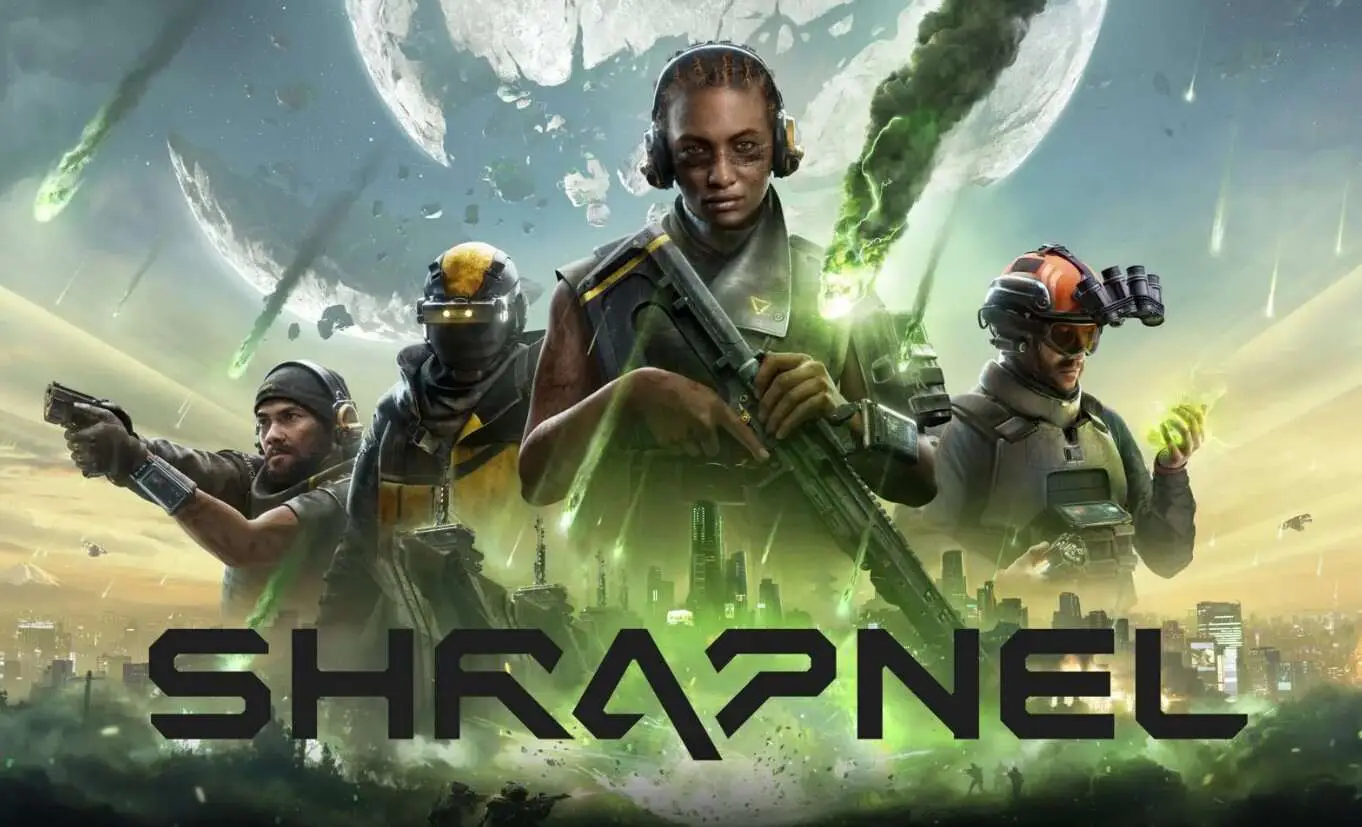
(AsiaGameHub) - Shrapnel has rolled out its Early Access program in China via GalaChain, providing this Web3 extraction shooter with a legitimate pathway into one of the world’s largest gaming markets. This launch links the game to the Trusted Copyright Chain, or TCC, a framework designed for digital property identification, copyright timestamping, and royalty enforcement. Good to Know Shrapnel is utilizing GalaChain for its China Early Access launch. TCC provides the game with a compliant framework for digital asset activity. China raked in roughly $49 billion in gaming revenue in 2025. China Launch Connects SHRAP, GALA and RMB Payments Neon Machine and Gala Games are using the China rollout to trial a new model for blockchain gaming. Rather than relying on unregulated trading channels, Shrapnel will process digital asset transactions in renminbi under TCC rules. GALA tokens will support public transaction tracking and cover associated fees, while SHRAP remains the token tied to in-game NFT and asset purchases. Shrapnel moved SHRAP from Avalanche to GalaChain earlier in 2025. The China launch will also include a buyback component. Up to 10% of the game’s revenue from China is allocated to SHRAP token purchases, which may also support token holders outside of the country. Ken Rosman, CEO of Neon Machine, described the launch as a committed market entry. He stated: “We’re not just testing the waters; we’re diving in.” The potential player base is substantial. China is home to roughly 700 million gamers, and Shrapnel is launching as a premium Western blockchain game within a regulated copyright structure. Shrapnel is a free-to-play first-person extraction shooter set in a dystopian future. Players gather resources, engage in combat, and utilize player-created modifications within a decentralized in-game economy. Over a 27-day paid early access period, the game saw 3.7 million matches played. The China launch plan follows a $19.5 million funding round led by Gala Games in 2025. Those funds helped support the transition to GalaChain and China-specific market customization. To back the launch, Shrapnel also released an Exclusive GalaDex Weapon Skin Collection. Eric Schiermeyer, CEO of Gala Games, noted that this model could provide other Western Web3 games with a pathway into the Chinese market. For the time being, industry focus will center on two key questions: whether players adopt the game at scale, and whether TCC can become a replicable route for compliant blockchain game assets. This article is provided by a third-party. AsiaGameHub (https://asiagamehub.com/) makes no warranties regarding its content. AsiaGameHub delivers targeted distribution for iGaming, Casino, and eSports, connecting 3,000+ premium Asian media outlets and 80,000+ specialized influencers across ASEAN.
Washington D.C. Online Casino Bill Proposes 25% Tax on Revenue

(AsiaGameHub) - Lawmakers in Washington D.C. are considering a bill that would legalize real-money online casino gaming, impose taxes on operators, and prohibit sweepstakes-style casino products. The proposed legislation would apply to adults aged 21 and over on nonfederal land within the District. Eligible players would be able to access online versions of blackjack, poker, roulette, and slot games through licensed platforms. Key Provisions of the Bill: A 25% tax would be levied on adjusted gross internet gaming revenue. Operators would also be subject to a 2% regulatory fee and a 2% community contribution. The proposal explicitly bans sweepstakes gaming and dual-currency casino-style products. Argument for Legal iGaming Fueled by Offshore Play Councilmember Wendell Felder has introduced the bill based on the premise that D.C. residents are already engaging in online casino activities, often through offshore operators. He stated, "If the activity is already happening, the District should be the one setting the rules." Representatives from iGaming operators such as FanDuel, DraftKings, and BetMGM supported this argument during a recent city council hearing, estimating that Washington D.C. customers spend approximately $700 million annually on unlicensed offshore iCasino platforms. Legal operators also highlighted the bill's provisions for safer gambling controls, which would include deposit limits, loss caps, time restrictions, cooling-off periods, self-exclusion tools, default limits for new accounts, staff training, and stricter marketing regulations. Conversely, opponents expressed concerns that legalizing online casinos could exacerbate financial difficulties for residents already facing economic challenges. Les Bernal, national director of Stop Predatory Gambling, metaphorically described the situation as "putting Dracula in charge of the blood bank." The Office of Lottery and Gaming would be responsible for regulating the market. While OLG officials indicated support for most of the regulatory aspects of the bill, they did not fully endorse or reject the concept of online casino legalization. The licensing framework would remain open, with no limit on the number of operators. Companies already operating mobile sports betting in D.C., including BetMGM, Caesars, DraftKings, FanDuel, Fanatics, and theScore Bet, would be eligible to apply for iCasino licenses. Additional casino and sportsbook brands could also apply. Typically, each operator would be permitted two approved gaming brands, unless regulators approve more. A specific section of the bill addresses sweepstakes casinos. It prohibits "sweepstakes gaming" and dual-currency systems that mimic casino gambling without adhering to standard gambling regulations. The attorney general would have the authority to issue cease-and-desist orders, seek injunctions, and impose fines of up to $100,000 per violation, with potential for higher penalties in repeat cases. Several representatives from sweepstakes casino companies testified against the proposal. No vote was taken following the hearing. The bill requires approval from the full 13-member council to become law. If passed, the city CFO would have 90 days to establish regulations, and a launch could occur within 180 days after the regulatory systems are in place. Several operators indicated they could be ready to launch within six months. Washington D.C. would join eight other states with legal real-money iCasino markets. New Jersey, Pennsylvania, West Virginia, and Michigan currently have the largest iCasino markets in the U.S., each with more than five operators. Felder emphasized the consequences of inaction, stating, "Inaction carries real consequences. Consumers remain exposed to risk, and the District falls behind neighboring jurisdictions that are moving forward." This article is provided by a third-party. AsiaGameHub (https://asiagamehub.com/) makes no warranties regarding its content. AsiaGameHub delivers targeted distribution for iGaming, Casino, and eSports, connecting 3,000+ premium Asian media outlets and 80,000+ specialized influencers across ASEAN.
High Roller Technologies Appoints Nicholis Muller as Head of Applied AI

(AsiaGameHub) - High Roller Technologies has appointed Nicholis Muller as Head of Applied AI as it prepares to launch a U.S. prediction market platform in partnership with Crypto.com | Derivatives North America. The Las Vegas-based company, traded on the NYSE under the ticker ROLR, made the announcement on 29 April 2026. Muller will report directly to CEO Seth Young and lead AI initiatives focused on compliance, customer lifecycle management, product personalization, and internal development systems. Key Insights High Roller intends to offer event contracts spanning finance, sports, and entertainment sectors. The platform will operate via HighRoller.com, though a launch date has not yet been disclosed. Crypto.com | Derivatives North America provides a CFTC-regulated exchange and clearing framework. AI Integrated Into Regulatory Infrastructure High Roller is embedding AI deeply into its operational and compliance systems rather than treating it as a superficial feature. The company aims to leverage AI for compliance automation and customer operations ahead of the U.S. prediction market rollout. CEO Seth Young stated:“The capacity to interpret consumer behavior, identify relevant markets, automate essential workflows, and ensure scalable compliance will be pivotal to sustained success. Given the regulated environment, AI must be robust and substantiated—not merely ornamental.” This strategic emphasis aligns with High Roller’s formal agreement with Crypto.com | Derivatives North America (CDNA), finalized on 14 April 2026 following a binding Letter of Intent in January 2026. The platform will utilize CDNA as its CFTC-registered designated contract market and derivatives clearing organization. High Roller also intends to register as a CFTC introducing broker and establish a clearing relationship with Crypto.com’s registered futures commission merchant. Concurrently with the hiring of Muller, High Roller announced it had engaged a Big Four consulting firm to assist with licensing preparations for the launch—indicating that regulatory approvals remain an active priority. Currently, High Roller operates the High Roller and Fruta casino brands, offering more than 6,000 games from over 90 content providers. The new prediction market initiative will represent a distinct U.S.-focused product line separate from its existing online casino operations, featuring event contracts rather than traditional casino games or sportsbook wagers. This article is provided by a third-party. AsiaGameHub (https://asiagamehub.com/) makes no warranties regarding its content. AsiaGameHub delivers targeted distribution for iGaming, Casino, and eSports, connecting 3,000+ premium Asian media outlets and 80,000+ specialized influencers across ASEAN.
Final Beam Installed at Bally’s Chicago Casino, Aiming for Early 2027 Opening
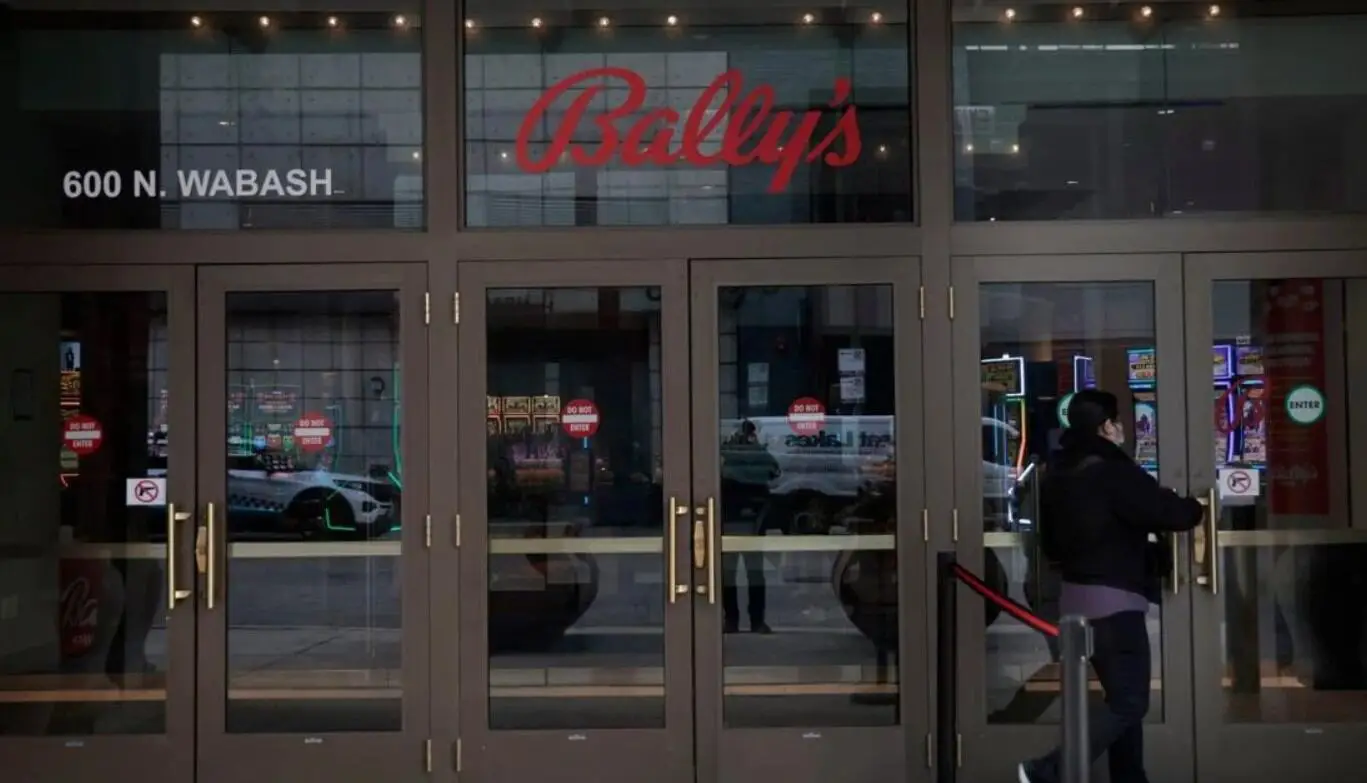
(AsiaGameHub) - Bally’s has placed the final structural beam at its permanent Chicago casino location, indicating that the $1.7 billion riverfront development is on schedule for an early 2027 debut. The 30-acre project is currently under construction at the former Chicago Tribune Freedom Center site, following earlier delays that significantly pushed back the initial 2025 opening target. Key Details The Bally’s Chicago casino is slated to open in early 2027. The development will feature 3,400 slot machines, 173 table games, and a 500-room hotel. An extension from the state may be required for the temporary Medinah Temple casino to continue operating beyond September. Revenue Expectations Face Deadline Pressures Bally’s Corp chairman Soo Kim remarked that the final beam ceremony provided a new perspective on the project after months of challenges. He stated: “It’s like the end of the beginning. To get here, we just had a lot of random delays. Now it just feels real good.”The permanent casino is projected to create approximately 3,000 full-time jobs. The plans also encompass a 3,000-seat entertainment venue and various dining and drinking establishments, aiming to establish a significant casino resort along Chicago's riverfront. Mayor Brandon Johnson linked the project's financial implications to the city's budget. He commented: “The casino, the hotel, entertainment venue, and restaurants are anticipated to generate more than $100 million in new revenue every year, which is going to make me and [Ald. Walter Redmond Burnett’s] job a little bit easier to pass budgets that are equitably maintained.” However, Bally’s still requires legislative support in Springfield. According to current Illinois law, the company must cease operations at its temporary Medinah Temple casino in early September, three years after its opening. A proposed bill could grant Bally’s an additional year at the site if approved by lawmakers before the end of May.Kim expressed optimism, saying: “We’re not concerned. I think everyone knows it makes sense to do, so we’re confident that we’ll have good outcomes in Springfield.” The temporary casino has generated $311.6 million in revenue to date, with $46.9 million remitted in state taxes and $38.2 million sent to the city. Nevertheless, these figures have fallen short of initial projections. Construction has encountered obstacles beyond scheduling. Bally’s had to revise certain aspects of the design to safeguard water mains, secure $940 million in financing, and address a two-week work interruption stemming from a subcontractor's use of a waste hauler with alleged ties to organized crime. The competitive landscape may also intensify. Chicago has authorized the installation of video gambling terminals in bars and other establishments, with at least 231 venues submitting license applications. Kim further added:“A thousand people working on-site — I can’t believe how fast we’re building now. So we feel good that we’ll be open early next year. “This is a game changer. There’s nothing like this in the Chicagoland area. There’s nothing like this for a long ways.” This article is provided by a third-party. AsiaGameHub (https://asiagamehub.com/) makes no warranties regarding its content. AsiaGameHub delivers targeted distribution for iGaming, Casino, and eSports, connecting 3,000+ premium Asian media outlets and 80,000+ specialized influencers across ASEAN.
Stake Launches in Mexico Just in Time for 2026 World Cup Betting Surge
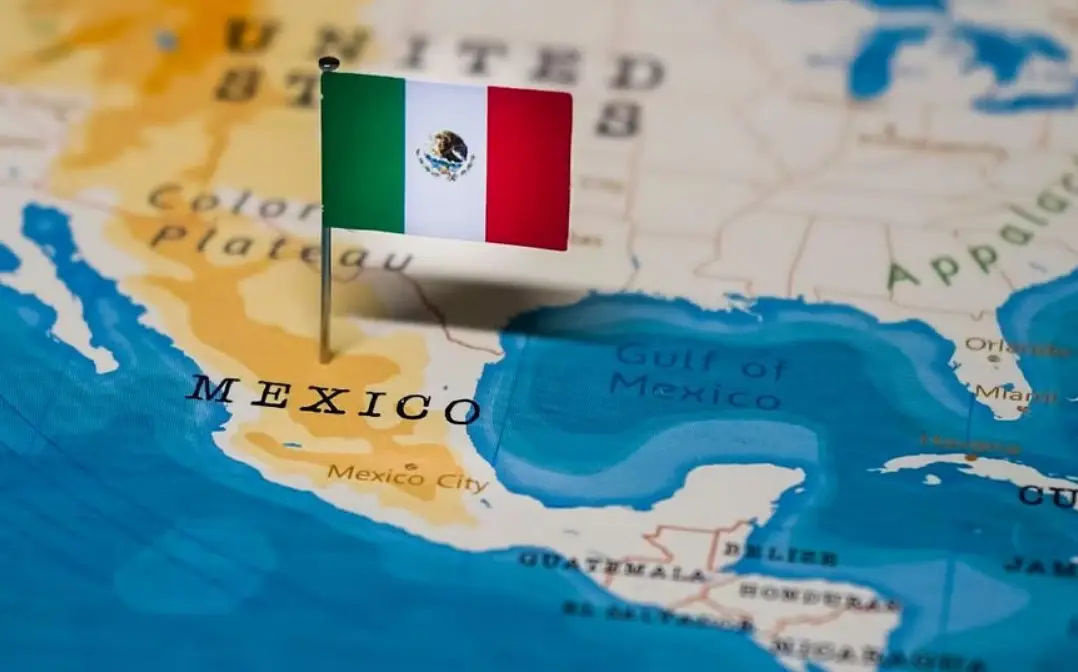
(AsiaGameHub) - Stake has expanded its Latin American operations into Mexico with the introduction of Stake.mx, a new online casino and sports betting platform established via a licensing agreement with Uno Capali. This launch places Stake under the regulatory authority of the Secretary of Government (SEGOB), granting the operator entry into a significant regional sports betting market ahead of the 2026 FIFA World Cup. Good to Know Stake.mx's operations in Mexico will be facilitated by an agreement with Uno Capali. Mexico is scheduled to host 13 World Cup games in Mexico City, Guadalajara, and Monterrey. Stake currently operates in other Latin American countries, including Colombia, Peru, and Brazil. Mexico Gives Stake A World Cup Entry Point The timing is notably strategic. The 2026 World Cup is set to take place from June 11 to July 19 across North America, with Mexico co-hosting alongside the United States and Canada. Mexico will host matches in Mexico City, Guadalajara, and Monterrey. The inaugural game, featuring Mexico against South Africa, is slated for Estadio Azteca in Mexico City, providing Stake.mx with a prominent sports schedule from its inception.Jarrod Febbraio, Stake's director, connected the launch to both sporting interest and sustained expansion. He stated: “Mexico represents a crucial and compelling market for us – it offers robust underlying growth coupled with a profound cultural affinity for sport, which perfectly aligns with Stake's core mission. We have achieved considerable traction across Latin America in recent years, particularly in markets like Peru and Colombia, and Mexico is a logical progression given its size and future prospects.” Stake.mx will offer the operator's standard online casino and sports betting offerings. Nevertheless, the Mexican platform will also emphasize enhanced technology and a mobile-first approach, targeting users who primarily engage in betting and gaming via their smartphones. The agreement with Uno Capali ensures the launch adheres to the local licensing framework. For Stake, Mexico signifies the addition of another regulated Latin American market, coinciding with anticipated increased demand for World Cup betting, which is expected to draw greater attention to sports betting operators throughout the region. FAQ What Is Stake.mx? Stake.mx is the Mexican iteration of Stake, providing online casino games and sports betting services under a licensing agreement with Uno Capali. Who Regulates Stake In Mexico? Stake.mx will operate under the supervision of the Secretary of Government (SEGOB), facilitated by the Uno Capali arrangement. Why Is Stake Launching In Mexico Now? The launch precedes the 2026 FIFA World Cup, during which Mexico will host 13 matches, generating substantial local interest in football betting. Where Else Does Stake Operate In Latin America? Stake currently maintains a presence in Colombia, Peru, and Brazil. This article is provided by a third-party. AsiaGameHub (https://asiagamehub.com/) makes no warranties regarding its content. AsiaGameHub delivers targeted distribution for iGaming, Casino, and eSports, connecting 3,000+ premium Asian media outlets and 80,000+ specialized influencers across ASEAN.
Belle Corp Verifies Discussions for Casino Project in Clark

(AsiaGameHub) - Belle Corp confirms that discussions are ongoing with potential casino operators for a proposed $300 million integrated resort in Clark, Pampanga. The company made the confirmation in a filing with the Philippine Stock Exchange following a report by Manila Standard stating that Belle had obtained a provisional casino license from the Philippine Amusement and Gaming Corp (Pagcor). Good to Know Belle intends to invest at least $300 million in the Clark project. The resort may launch within two to three years after a partner is selected. The talks reportedly involve three to four foreign casino operators, including Melco Resorts & Entertainment. Pagcor Licence Sets Up Clark Resort Plan Sinophil Leisure and Resorts Corp and Foundation Capital Resources Inc, both gaming subsidiaries of Premium Leisure Corp, have received a provisional license from Pagcor’s board to develop and operate an integrated resort within the Clark Special Economic Zone. Belle also requested Pagcor to include Premium Leisure Corp and itself as co-licensees earlier this year. That request is still under review. The company stated:“We confirm that there are ongoing discussions with potential operators. Any partnership arrangements will be disclosed once they are finalized by the involved parties.” Belle currently has a stake in the gaming industry through City of Dreams Manila, which is operated locally by a unit of Melco Resorts. According to Manila Standard, Belle is in talks with three to four foreign operators—including Melco—for the Clark project. Located about two hours from Manila, Clark has been increasingly attracting gaming and MICE (meetings, incentives, conferences, and exhibitions) tourism. Belle noted that the area is emerging as a regional hub for such events and casino development. The planned resort would span several hectares, as reported by Manila Standard. The outlet cited Belle president and CEO Armin Antonio Raquel-Santos saying the project would use a co-licensing structure, where the chosen operator manages gaming operations while leasing the land.Once a partner is selected, Belle plans to submit a revised development plan based on the operator’s design and operational requirements. Belle expects to generate income from lease payments and a share of gross gaming revenue once the resort opens. In Q1 2026, Belle’s gaming revenue from its share of City of Dreams Manila rose 12.3% year-on-year to PHP485.7 million ($8 million). This article is provided by a third-party. AsiaGameHub (https://asiagamehub.com/) makes no warranties regarding its content. AsiaGameHub delivers targeted distribution for iGaming, Casino, and eSports, connecting 3,000+ premium Asian media outlets and 80,000+ specialized influencers across ASEAN.
Western Union Introduces USDPT Stablecoin on Solana

(AsiaGameHub) - Western Union has introduced USDPT, a stablecoin backed by the US dollar and issued by Anchorage Digital on the Solana blockchain. The 175-year-old money transfer firm stated that the new coin will be integrated with its current payment infrastructure, providing a regulated digital dollar for settlements, partners, agents, and potential future applications for customers. Good to Know The USDPT stablecoin operates on the Solana network and is fully collateralized by US dollars. Anchorage Digital is the issuer of the stablecoin. Western Union facilitates cross-border money transfers in over 200 countries. A Digital Dollar For Global Payments Western Union already processes payments in more than 130 currencies. The introduction of USDPT provides the company with a settlement layer built on blockchain technology, complementing rather than replacing the extensive global payout network it has developed over many years. President and CEO Devin McGranahan commented:“USDPT strengthens Western Union's position as a worldwide payments platform. By embedding a regulated digital dollar directly into our system, we are establishing a more streamlined settlement layer for partners, agents, and future consumer applications, all while maintaining the trust and scale that are hallmarks of our brand.” The company also intends to develop a digital asset network that will connect cryptocurrency exchanges and custodians with its existing payout and liquidity systems. For the general public, a stablecoin is a type of cryptocurrency engineered to maintain a stable value, typically pegged at a 1:1 ratio with the US dollar. For Western Union, USDPT offers a method to utilize blockchain technology while ensuring its value remains fixed to the US dollar. This article is provided by a third-party. AsiaGameHub (https://asiagamehub.com/) makes no warranties regarding its content. AsiaGameHub delivers targeted distribution for iGaming, Casino, and eSports, connecting 3,000+ premium Asian media outlets and 80,000+ specialized influencers across ASEAN.
BGaming Launches Clash of Gods: Anubis versus Hades

(AsiaGameHub) - BGaming has launched Clash of Gods: Anubis vs Hades, a 5×5 publishing slot developed in collaboration with Golden Goat Gaming, the studio behind BGaming’s Zeus Goes Wild. Key Details The game features a duel mechanic inspired by Joker vs Joker. Players can select either Anubis mode, offering sticky Expanding Wilds, or Hades mode, which guarantees Duel symbols. The Clash of Gods feature activates at 800x the stake and delivers maximum volatility. Anubis And Hades Turn Wins Into Duels BGaming has blended elements of Ancient Egypt and Ancient Greece into a single slot experience, pitting Anubis against Hades directly on the reels rather than keeping them in separate realms. This collaboration with Golden Goat Gaming connects the new title to the popular Zeus Goes Wild series. The core gameplay begins when a VS symbol lands within a winning combination. It then expands across the reel, triggering a duel between the two gods. The victor determines the outcome, applying a multiplier to the original win, with additional reel effects potentially enhancing the result further. Fans of BGaming titles may recognize the concept from Joker vs Joker, where a similar duel-based feature drives excitement. Free Spins introduce another strategic layer: landing three or more Scatter symbols triggers a bonus round. If at least one Super Scatter appears, players unlock Super Free Spins. Before spinning, they choose their preferred path—Anubis mode grants sticky Expanding Wilds, while Hades mode ensures a Duel symbol appears on every spin. To accelerate access to key features, BGaming includes five Buy Bonus options. These include Bonus Hunt Spins and Dueling Spins, with the latter placing a Duel symbol on each spin for consistent action. The highest-risk option is the Clash of Gods feature, available at 800x the stake. It ramps up volatility to its peak level and increases the presence of extra Wild and VS symbols. According to BGaming, this setup targets players seeking larger win swings, particularly high-stakes bettors and content creators. Igor Bondarenko, Product Owner of Publishing at BGaming, commented:“Clash of Gods: Anubis vs Hades embodies everything BGaming enjoys creating—an engaging central theme, highly volatile gameplay, and the beloved dueling mechanic. With Ancient Greece and Egypt being enduring pillars of the slot genre, this release unites the two mythologies in an epic confrontation that players have never seen before.” This article is provided by a third-party. AsiaGameHub (https://asiagamehub.com/) makes no warranties regarding its content. AsiaGameHub delivers targeted distribution for iGaming, Casino, and eSports, connecting 3,000+ premium Asian media outlets and 80,000+ specialized influencers across ASEAN.