
(AsiaGameHub) - Swedish gambling operators will be subject to more stringent technical regulations for Spelpaus starting August 1, 2026, following Spelinspektionen’s approval of new self-exclusion check standards. Good to Know Spelinspektionen approved the new rules on April 23 and published them on April 29. Licensed operators must utilize unique Actor ID and API Key credentials. Operators remain accountable for compliance, even when third-party vendors handle checks. Updated API Regulations Define Clearer Spelpaus Responsibilities Sweden is tightening controls on how gambling operators connect to Spelpaus, the national self-exclusion register used across the regulated market. Under the new rules, every licence holder will receive a unique Actor ID and API Key. Operators must use these credentials whenever they verify if a player has self-excluded from gambling. The system will apply to registration, login, and direct marketing processes. Spelinspektionen has also separated technical pathways. Operators must use a login API for player registration and login checks, while direct marketing checks must go through a dedicated marketing API. A check is only considered complete once it clearly confirms whether the person is listed in the self-exclusion register.The rules also clarify one key point: the licence holder remains responsible. Operators can use third-party service providers for technical checks, but they cannot transfer compliance duties. The assigned Actor ID and API Key must stay in use at all times. Spelpaus became part of the Swedish gambling market after the 2019 regulatory reform. Licensed operators must block users who have self-excluded, with exclusion options of one month, three months, six months, 12 months, or longer. The register received updates in 2023, including easier access to gambling harm guidance and an option for players to extend their exclusion period. However, some integration details are still missing. The new regulations set the broader technical framework but do not yet include full API specifications, response formats, or service performance standards. Operators will need these details for final integration planning.Spelpaus also faced scrutiny last year after a documentary alleged a data breach. Spelinspektionen rejected the claim and stated the information remained encrypted. A spokesperson said at the time: “There is no information about whether the self-excluded person is addicted to gambling or not.” This article is provided by a third-party. AsiaGameHub (https://asiagamehub.com/) makes no warranties regarding its content. AsiaGameHub delivers targeted distribution for iGaming, Casino, and eSports, connecting 3,000+ premium Asian media outlets and 80,000+ specialized influencers across ASEAN.
Rush Street Interactive Increases 2026 Guidance Following Record Q1 Revenue of $370.4M

(AsiaGameHub) - Rush Street Interactive kicked off 2026 with record-breaking revenue, adjusted EBITDA, and net income, then raised its full-year forecast following robust growth across online casino markets. Key Highlights Rush Street Interactive’s revenue increased 41% to $370.4 million in Q1. Adjusted EBITDA jumped 81% to an all-time high of $60.2 million. RSI upwardly revised its 2026 revenue guidance to a range of $1.49 billion to $1.54 billion. RSI’s Q1 Results Surpass Expectations, Fueled By Casino Growth Rush Street Interactive delivered a stronger-than-anticipated first quarter to investors, with revenue beating Wall Street forecasts by $39.57 million. Earnings per share hit 14 cents, two cents above analyst estimates. The Chicago-based online casino and sports betting operator also reported a record net income of $26.2 million, marking a 134% rise from $11.2 million in the prior year’s quarter. The market reacted swiftly, with RSI shares climbing nearly 20% in after-hours trading. Before this surge, the stock had already gained 96.08% over the previous 12 months. Player growth was a major driver of the quarter’s success. Monthly active users (MAUs) reached approximately 839,000, up 51% year over year. North America recorded around 296,000 MAUs, a 46% increase, supported by 62% growth in online casino markets. Latin America—including Mexico—saw roughly 543,000 MAUs, a 54% jump.Average revenue per monthly active user (ARPU) underscored regional differences. RSI generated $317 per MAU in the U.S. and Canada, compared to $54 per MAU in Latin America. Adjusted sales and marketing costs totaled $46.2 million, accounting for 12.5% of revenue. Richard Schwartz, Chief Executive Officer of RSI, said: “We are pleased to report another strong quarter of results, setting new records once again for revenue, net income and adjusted EBITDA.” He also highlighted faster player growth and record first-time depositors during the quarter, stating:“The continued acceleration we’ve seen in revenue and player growth is particularly exciting. “In our North American online casino markets, MAUs grew an impressive 62%, surpassing the 51% growth we achieved in the fourth quarter of 2025.” RSI now projects full-year 2026 revenue between $1.49 billion and $1.54 billion, equivalent to 31% to 36% year-over-year growth. Adjusted EBITDA guidance was also raised to $230 million to $250 million, implying growth of 50% to 63%. The updated guidance includes only markets where RSI currently operates, plus the expected July 2026 launch of iGaming in Alberta, Canada. It also assumes consistent tax structures in existing markets, including Colombia’s temporary emergency 16% tax decree. Schwartz noted that RSI maintained disciplined marketing spending while enhancing user acquisition, retention, and the player experience. This balance allowed the company to grow its user base without letting promotional costs get out of hand. This article is provided by a third-party. AsiaGameHub (https://asiagamehub.com/) makes no warranties regarding its content. AsiaGameHub delivers targeted distribution for iGaming, Casino, and eSports, connecting 3,000+ premium Asian media outlets and 80,000+ specialized influencers across ASEAN.
Robinhood Stock Drops After Q1 Profit Miss Despite Revenue Gain

(AsiaGameHub) - Robinhood announced an increase in both first-quarter profit and revenue; however, the trading platform failed to meet Wall Street's earnings forecasts, resulting in a roughly 6% decline in its stock during after-hours trading. Key Highlights Robinhood's net income increased by 3% to $346 million, equating to 38 cents per share. Revenue grew by 15% to $1.07 billion, bolstered by prediction markets and subscription services. The number of traded event contracts reached a quarterly record of 8.8 billion. Prediction Markets Offset Weakness in Crypto Trading During the first quarter, Robinhood experienced growth in its user base and platform assets, alongside record activity in prediction markets, yet investors prioritized the company's failure to meet earnings targets. The company recorded a net income of $346 million, an increase from the previous year's $336 million. Earnings per share came in at 38 cents, slightly missing the 39 cents anticipated by analysts. Following the announcement, shares fell in late trading by approximately 6%.The revenue figures painted a more positive picture. Overall revenue surged 15% to $1.07 billion, and revenue from transactions increased 7% year-over-year to $623 million. Conversely, transaction-based revenue saw a 20% dip from the prior quarter, with cryptocurrency acting as a hindrance. As prices for digital assets softened, crypto trading revenue plummeted 47% to $134 million. Some of this pressure was alleviated by prediction markets. The trading of event contracts reached a record 8.8 billion for the quarter, providing Robinhood with an additional growth avenue distinct from stocks, options, and crypto. Additionally, the firm is expanding into areas such as credit cards, banking, and access to venture capital. Subscriptions provided a further boost. Revenue from Robinhood Gold jumped 32%, while the subscriber count for Gold rose 36% to 4.3 million. Other revenue streams grew by 57% to $85 million, primarily driven by subscriptions. Furthermore, net interest revenue climbed 24% to $359 million. Operating expenses increased by 18% to $656 million, largely due to elevated spending on marketing and growth initiatives. Despite this, adjusted EBITDA grew by 14% to $534 million.Metrics for users also showed improvement. The number of funded customers increased by 6% to 27.4 million, investment accounts grew by 8% to 29.1 million, and total assets on the platform soared 39% to $307 billion. Net deposits for the quarter totaled $17.7 billion, and average revenue per user rose 8% to $157. Chief Financial Officer Shiv Verma stated that the diversification of the business has reduced Robinhood's vulnerability to specific product cycles. He remarked: “It’s a much more durable business relative to 2022.” Nevertheless, demand for prediction markets has displayed inconsistency. Following the conclusion of the football season, volumes dropped by 29% month-over-month. Meanwhile, analysts have expressed concerns regarding diminished retail trading activity amidst macroeconomic uncertainty. Chief Executive Officer Vlad Tenev noted that Robinhood continues to develop its broader role in personal finance. He commented: “Driven by our relentless product velocity and innovation, Robinhood is increasingly positioned at the center of our customers’ financial lives, just as we enter the early innings of the Great Wealth Transfer.” Verma further added: “In Q1, customers remained engaged and rapidly adopted new products, leading to a 20 percent-plus annualized net deposit growth rate, double digit growth across equities and options, and record volumes for prediction markets, futures, and index options.” He also stated: “And Q2 is off to a good start in April, as equity and option trading volumes are on track to be the highest month of the year, and even with tax season, net deposits are approximately $5 billion month-to-date.”Robinhood has also updated its 2026 outlook for adjusted operating expenses, raising it to a range of $2.7 billion to $2.825 billion to fund investments in artificial intelligence, tokenization infrastructure, and new account offerings. This article is provided by a third-party. AsiaGameHub (https://asiagamehub.com/) makes no warranties regarding its content. AsiaGameHub delivers targeted distribution for iGaming, Casino, and eSports, connecting 3,000+ premium Asian media outlets and 80,000+ specialized influencers across ASEAN.
Evoke Reports £549M Loss as William Hill Owner Proceeds with Shop Closures

(AsiaGameHub) - Evoke posted a far larger 2025 loss, as elevated UK gambling taxes and a sizeable impairment charge weighed on the firm that owns William Hill and 888. Good to Know Evoke recorded a £549.1 million pre-tax loss in 2025, an increase from the £220.9 million posted the prior year. Revenue climbed 2% to £1.78 billion, whilst EBITDA rose 43% to £301.3 million. The firm intends to shut down roughly 270 William Hill betting outlets. Evoke’s Financial Results Reveal the Pressures Driving Retail Store Cuts Evoke saw revenue growth in 2025, yet elevated UK duties and a £440.3 million impairment charge pushed the group further into the red. Pre-tax losses more than doubled to £549.1 million ($741 million), up from £220.9 million ($298 million) recorded in the previous year. The firm nonetheless noted stronger underlying trading performance. Total group revenue rose 2% to £1.78 billion, while EBITDA increased 43% to £301.3 million. Still, the UK and Ireland remained a struggling region, with revenue down 2% to £1.17 billion as both online and in-store sales softened. Chief Executive Officer Per Widerström stated that the November changes to UK betting duties shifted the market’s economic dynamics. He commented:“The substantial UK duty hikes announced in November marked a fundamental change in the economics of our biggest market, and will have a significant impact across the regulated gambling sector.” Finance Director Sean Wilkins noted that Evoke has thus far experienced minimal short-term disruption from the new rules: “In the first 30 days, honestly, we haven’t seen any impact. The company is satisfied with how the UK&I online business is performing.” Outside of the UK and Ireland, Evoke saw more positive performance. International revenue climbed 9.3% to £606.9 million, while EBITDA rose 49.2% to £175.4 million. Italy, Denmark and Romania contributed to this growth, though Romania has grown more challenging for regulated gambling operators.“Romania is experiencing robust black market growth following the tax hike, and as regulated operators, this is negatively impacting our business,” Wilkins stated. This financial pressure is now leading to a more streamlined retail strategy. As iGaming.org reported earlier in April, Evoke will shut down roughly 270 William Hill betting shops after reviewing underperforming locations. The closures are projected to result in hundreds of job losses, though Evoke has not confirmed a specific number. Widerström commented: “We conducted a highly detailed review of our retail store portfolio, and have identified 230 locations that we will close. We have over 1,000 excellent shops that deliver top-tier service and entertainment to our customers, and obviously, with this more efficient retail network, we have sufficiently enhanced long-term sustainability, cash flow and profitability.” This review is part of broader initiatives to cut costs, safeguard cash flow and tackle the roughly £1.9 billion in net debt the firm holds. Widerström stated: “We have taken decisive action to lessen the impact of these changes and preserve long-term shareholder value, including launching a strategic review and rolling out major operational changes across the entire business.”A potential change in ownership is still a possibility. As we reported last week, Evoke is in discussions regarding a potential takeover by Bally’s Intralot, in a deal that values the company at around £225.3 million. “Our priority for 2026 is firmly focused on cash generation and balance sheet strength,” Wilkins noted This article is provided by a third-party. AsiaGameHub (https://asiagamehub.com/) makes no warranties regarding its content. AsiaGameHub delivers targeted distribution for iGaming, Casino, and eSports, connecting 3,000+ premium Asian media outlets and 80,000+ specialized influencers across ASEAN.
US Senate Prohibits Prediction Market Bets for Members and Staff

(AsiaGameHub) - The U.S. Senate has implemented an immediate prohibition on prediction market activities for senators and their staff, following renewed concerns regarding trades linked to political events, military actions, and non-public government information. The measure was approved unanimously without a recorded vote. Key Details The Senate's ban extends to its members, staff, and officers. Senator Bernie Moreno initiated the resolution, which Senator Alex Padilla subsequently expanded to encompass staff. Both Kalshi and Polymarket have expressed support for the restriction. Washington Enhances Prediction Market Regulations Prediction markets are now subject to a new directive in Washington. Senators and their staff are no longer permitted to engage in trading on platforms that allow users to place wagers on real-world occurrences, ranging from election results to foreign policy developments. Senator Bernie Moreno championed this rule amid growing apprehension that officials might leverage sensitive information for personal financial benefit. He stated, “engaging in any way in a prediction market or trying to place bets where we might have inside information deteriorates our confidence that our constituents have in us.” The Senate's action was prompted by several reports concerning prediction markets that raised significant ethical questions. One notable instance involved a U.S. Army soldier accused of using classified information to profit from a market related to Venezuelan politics. Other reports highlighted rapid trading activity surrounding military and geopolitical events, including those connected to Iran.Kalshi itself has faced scrutiny over political betting within its platform. The company recently fined and suspended three congressional candidates after they placed trades on their own electoral races. Despite these issues, the two most prominent prediction market operators have endorsed the Senate's decision. Kalshi CEO Tarek Mansour described it as a “great step to increase trust in our markets by making it an industry standard.” Polymarket also voiced its support for the rule, commenting, “We’re in full support of this. Our Rulebook & Terms of Service already prohibit such conduct, but codifying this into law is a step forward for the industry.” The House of Representatives may soon follow suit. Representative Ashley Hinson has indicated her intention to introduce a similar resolution, and other lawmakers have also advocated for broader limitations on prediction market trading by government officials. This article is provided by a third-party. AsiaGameHub (https://asiagamehub.com/) makes no warranties regarding its content. AsiaGameHub delivers targeted distribution for iGaming, Casino, and eSports, connecting 3,000+ premium Asian media outlets and 80,000+ specialized influencers across ASEAN.
Ontario’s iGaming Wagering Reaches New High of $9.59 Billion in March

(AsiaGameHub) - In March, Ontario's iGaming sector achieved a new milestone as licensed digital gambling platforms processed $9.59 billion in total bets across poker, sports wagering, and casino games. Key Highlights The total amount wagered on Ontario's online gambling platforms hit a record monthly peak of $9.59 billion. Revenue for operators reached $387 million, representing a 13% increase compared to February. Digital casino games accounted for 82% of the overall revenue generated by operators. Online Casino Activity Drives Growth in Ontario iGaming The majority of March's growth was fueled by Ontario's online casino sector. The iCasino handle increased by almost 26% year-over-year, producing $318.5 million in revenue. Consequently, casino offerings represented 82% of all operator income within the province's regulated iGaming landscape. Expansion continued across the broader market as well. The handle for March slightly exceeded the prior record of $9.52 billion set in January, with revenue climbing 30% compared to the previous year. While the $387 million in monthly revenue was 13% higher than February's figures, it did not surpass the $426 million peak recorded in December 2025. Comparatively, sports wagering showed less strength. Although Ontario sportsbooks saw $1.08 billion in bets during March—returning the segment to the billion-dollar mark—this figure was a 9% decrease from March 2025 and represented the lowest monthly total for sports betting since September. Poker experienced a stronger month, despite its relatively small market share. Peer-to-peer poker set records with $183 million in wagers and $6.9 million in revenue. Despite these highs, poker accounted for under 2% of the total iGaming volume in Ontario. The number of active accounts rose to 1.235 million, a 17% increase year-over-year. Nevertheless, March saw the fewest active accounts since September, a trend partially attributed to the closure of several platforms during that timeframe. During the first quarter of 2026, residents of Ontario bet $27.8 billion on authorized iGaming websites. Over this three-month period, operators brought in $1.13 billion in revenue. This ongoing expansion has maintained political focus on the advertising of gambling services. Bill 107, known as the Stop Harmful Gambling Advertising Act, seeks to modify the Gaming Control Act of 1992 to prohibit licensed operators and their affiliates from advertising gambling across all media channels. Proponents of the bill highlight public health statistics gathered since the market was regulated in 2022. Following the launch, inquiries to ConnexOntario—the provincial helpline for mental health and addiction—surged by 144%. Currently, approximately one-third of Canadians between the ages of 18 and 29 engage in online gambling, with one in four within that demographic reporting significant harm. Opponents suggest that a complete ban on advertising might make it difficult for consumers to distinguish between regulated platforms and illegal ones. The European Casino Association has cautioned that in certain jurisdictions with stringent advertising restrictions, unlicensed operators capture over 70% of the online gambling revenue. At present, the prospects for Bill 107 appear slim. While the Liberal Party introduced the legislation, they do not hold a majority in the provincial parliament. This article is provided by a third-party. AsiaGameHub (https://asiagamehub.com/) makes no warranties regarding its content. AsiaGameHub delivers targeted distribution for iGaming, Casino, and eSports, connecting 3,000+ premium Asian media outlets and 80,000+ specialized influencers across ASEAN.
MGM Resorts Posts $4.5B in Q1 Revenue, With Macau Bolstering Its Quarterly Results

(AsiaGameHub) - MGM Resorts announced an increase in first-quarter revenue, driven by strong performance in Macau and accelerated digital growth—though profits and adjusted EBITDAR declined across most of its operations. Key Highlights MGM Resorts’ Q1 net revenue rose 4% year-over-year to $4.5 billion. Net income decreased 16% to $125 million, while adjusted EBITDAR fell 9% to $580 million. MGM China’s revenue grew 9% to $1.1 billion, and digital revenue surged 43% to $183 million. Macau and Digital Segments Boost MGM’s Performance MGM Resorts saw revenue growth across all core segments in Q1, but only the digital division improved in terms of reducing its adjusted EBITDAR loss. The company reported $4.5 billion in net revenue, with adjusted EBITDAR dropping to $580 million and net income sliding to $125 million. Macau delivered one of MGM’s stronger results. MGM China’s revenue climbed 9% to $1.1 billion during the quarter, which included the Chinese New Year period. Table game winnings in Macau exceeded $1 billion—an 18% rise from the prior year—though adjusted EBITDAR still fell 4% to $273 million. Bill Hornbuckle, CEO of MGM Resorts, said: “It’s always difficult to say Macau is ‘stable’, but I feel good about it, I feel very good about our market position and what we’re doing and how we’re doing it.”He also noted that MGM remains “under-suited” in Macau and plans to expand hotel capacity there. The digital segment also made positive progress. Revenue from LeoVegas (not BetMGM) increased 43% to $183 million. The digital division’s adjusted EBITDAR loss narrowed from $34 million to $26 million. MGM expects this loss to continue shrinking, though tax and regulatory changes in Brazil may add extra costs. Gary Fritz, MGM Chief Commercial Officer and president of digital, said: “We’ve indicated in that past that we would see the loss this year for the digital segment halving relative to last year, we might see a little bit more investment this year than that, given some of the regulatory changes and tax changes in Brazil, but we’re definitely anticipating the loss to materially narrow…which then sets us up in 2027 for close to a break-even year, if not 100% getting there.” Las Vegas delivered a mixed performance for MGM. Revenue reached $2.2 billion—just $4 million above last year—while adjusted EBITDAR fell 8% to $749 million. Hotel revenue stayed nearly flat at $751 million, but casino revenue dropped 5%, table game winnings slipped 1%, and slot machine winnings also declined 1%.Hornbuckle said: “The market’s changed, the consumer has changed. Luckily for us we have a lot of luxury product and brands that can cater to that, and it’s going to continue.” He added: “Despite many headwinds, we have yet to see a slowdown. That doesn’t mean over the summer that can’t happen, because booking cycles still remain short.” MGM has tested all-inclusive Las Vegas packages at Luxor and Excalibur as operators aim to attract back value-driven and first-time travelers. COO Ayesha Molino said: “We’ve been really pleased with the response to the all-inclusive package, we’ve seen really steady momentum since we first deployed that and the customer response has been really good.” She noted a “significant portion” of demand came from new customers. Apart from quarterly results, discussions about an NBA team in Las Vegas drew attention. MGM co-owns T-Mobile Arena, the primary current option for a potential NBA team in the city. Hornbuckle said he was “already under three NDAs” and added: “T-Mobile is part of that conversation, whether it’s short-term or long-term, all roads lead to it for now…so we’re intimately involved in those conversations.” MGM Osaka remains on schedule. Hornbuckle stated the Japan integrated resort is progressing “on time and on budget for a 2030 opening.”MGM reported total liabilities of around $38 billion, roughly flat from last year. The company also repurchased $90 million in stock during Q1. Shares closed Wednesday down 1% at $39.27—still up about 24% over 12 months but below 2023 highs near $50. This article is provided by a third-party. AsiaGameHub (https://asiagamehub.com/) makes no warranties regarding its content. AsiaGameHub delivers targeted distribution for iGaming, Casino, and eSports, connecting 3,000+ premium Asian media outlets and 80,000+ specialized influencers across ASEAN.
Formula 1 Appoints FanDuel as Its First U.S. Betting Partner

(AsiaGameHub) - Formula 1 has appointed FanDuel as an official sports betting operator for the U.S. and Canada, marking the racing series’ first betting collaboration in the American market. Good to Know FanDuel is now the first U.S.-based betting operator to form a partnership with Formula 1. The agreement features betting guide materials and editorial integration across all F1 platforms. The announcement comes just as Formula 1 prepares for the Miami Grand Prix. FanDuel Secures New Role Across F1 Platforms Formula 1 has integrated FanDuel into its North American betting strategy as interest in the series continues to rise across the U.S. and Canada. The deal grants FanDuel betting integration across Formula 1’s platforms, plus editorial content and betting guide features linked to race weekends. For F1, this partnership introduces a regulated betting partner in two markets where the series has invested years in expanding its fan base. Jonny Haworth, director of commercial partnerships at Formula 1, said: “We’re thrilled to welcome FanDuel as our new Official Betting Operator for the United States and Canada—markets where enthusiasm and engagement with Formula 1 keep growing. “As sports betting becomes a more prominent part of how fans—particularly those in the U.S.—interact with sports, it’s crucial we have a robust, well-established partner to execute our strategy and maintain our momentum in the market.” The FanDuel partnership follows another recent betting agreement for F1. This past March, Formula 1 inked a multi-year deal with Betway covering Canada, Mexico, and several other global markets. FanDuel also brings extensive league experience. The sportsbook already serves as an official partner of MLB, the NBA, and the WNBA, and now adds Formula 1 betting content to its portfolio. Karol Corcoran, managing director of FanDuel Sportsbook, said: “Being named an Official Betting Operator for Formula 1 is an exciting milestone as we upgrade our sportsbook product to deliver more interactive experiences for fans. “Formula 1 generates a massive amount of real-time data, and our platform is designed to turn that into engaging betting opportunities for fans. This partnership will allow us to offer even more immersive, data-driven experiences throughout race weekends.” The timing aligns with a North American segment of the F1 calendar. The Miami Grand Prix kicks off May’s races, while the Canadian GP at Circuit Gilles Villeneuve follows later. Oscar Piastri and McLaren head to Miami hoping to build on recent performance, though Piastri warned race weekends can still shift quickly. As per Reuters, Piastri said: “I think last year, and even 2024, we had a significant advantage at a track like this, but this year we don’t—so we’ll have to wait and see. “I think it’s going to be a weekend full of changes, and we’ll need to stay ahead of things better than everyone else. If we can do that, there will still be opportunities to finish higher than we might expect.” This article is provided by a third-party. AsiaGameHub (https://asiagamehub.com/) makes no warranties regarding its content. AsiaGameHub delivers targeted distribution for iGaming, Casino, and eSports, connecting 3,000+ premium Asian media outlets and 80,000+ specialized influencers across ASEAN.
Nevada Sports Betting Revenue Nearly Doubles Despite Decline in March Handle

(AsiaGameHub) - Nevada sportsbooks saw a lower volume of wagers in March, yet operators' improved performance resulted in a significantly more profitable month compared to the previous year. Good to Know The Nevada sports betting handle hit $763 million in March, an 11.3% decrease from the same month last year. Revenue surged 107% to $46 million, with operators retaining 6% of all wagers. Mobile betting represented 72.1% of all action, accounting for $550.4 million in online wagers. Nevada Handle Falls While Sportsbooks Keep More Despite considerable betting activity from the NCAA Tournament and the beginning of the MLB season, Nevada's sportsbooks accepted fewer bets this March than in March of the prior year. Data from the Nevada Gaming Control Board shows retail and online operators took in $763 million in bets. This figure was approximately $98 million less than in March 2025, when the state recorded a handle of about $860 million, its highest monthly total since the end of 2023. Once again, mobile betting dominated the market. Online sportsbooks handled $550.4 million, constituting 72.1% of the month's total. Nonetheless, mobile handle was down 10.1% year-over-year.Nevada has now experienced year-over-year declines in handle for the first three consecutive months of 2026. February's total also fell below $700 million for the first time since August, making March's rebound above that threshold a slight improvement. Reduced visitor numbers in Las Vegas may have contributed to the lower betting volume. The revenue picture was starkly different. Sportsbooks recorded $46 million in winnings for March, a 107% increase from the $22.3 million won in March 2025. The 6% hold rate equaled February's percentage, delivering a far more successful month for operators even with a smaller amount wagered. Online operators were responsible for $36.7 million of the total revenue, a 135% year-over-year rise. The state generated $3.1 million in tax revenue from sports betting based on the March figures. Basketball was the clear leader for the month. Fueled by conference tournaments, March Madness, and NBA betting, the sport brought in $36.8 million in revenue, a 50.2% jump from March of last year.Other sports contributed $8.5 million, and hockey added $6.1 million. The combined category encompassing tennis, soccer, MMA, boxing, auto racing, and golf saw a substantial year-over-year increase. Football, however, proved costly for operators, as successful bettors led to sportsbooks posting a $9.6 million loss during the first complete month without NFL games. This article is provided by a third-party. AsiaGameHub (https://asiagamehub.com/) makes no warranties regarding its content. AsiaGameHub delivers targeted distribution for iGaming, Casino, and eSports, connecting 3,000+ premium Asian media outlets and 80,000+ specialized influencers across ASEAN.
Seminole Classic Casino Patron Wins $608K Blackjack Jackpot from $5 Bet
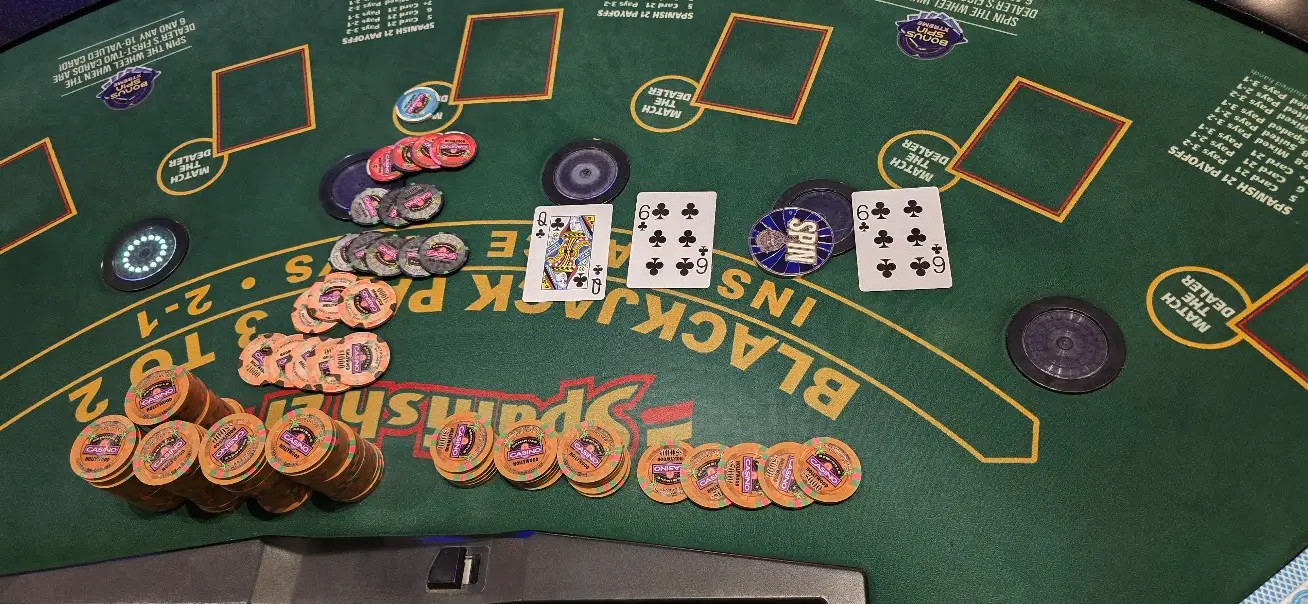
(AsiaGameHub) - A Unity member secured a six-figure windfall at Seminole Classic Casino on Wednesday, April 29, after a $5 side bet resulted in a progressive blackjack jackpot of $608,820.80. The lucky player achieved the Triple Diamond combination while participating in Bonus Spin Xtreme Spanish 21, a progressive table game developed by AGS. This payout marks one of the most significant recent wins at the Hollywood, Florida, venue, continuing a streak of major jackpot successes at the casino. This recent victory follows several other notable payouts at the same location. Just last month, a player secured $145,800 on Buffalo Link following a $200 bet, and another Unity Card holder claimed $142,300.50 on HUFF N’ MORE PUFF during its March 2024 debut. Following such a substantial win, progressive jackpots typically reset, which occurred in this instance. Once the $608,820.80 prize was awarded, the Bonus Spin Xtreme progressive returned to its $10,000 starting point, with the total reset value reaching $178,262.85, accounting for reserve accrual. For Seminole Classic Casino, the event highlights a gaming floor defined by its variety of slots, live table games, and the Unity rewards program. For the winner, however, the experience was straightforward: a $5 stake, the necessary card sequence, and a payout exceeding half a million dollars. This article is provided by a third-party. AsiaGameHub (https://asiagamehub.com/) makes no warranties regarding its content. AsiaGameHub delivers targeted distribution for iGaming, Casino, and eSports, connecting 3,000+ premium Asian media outlets and 80,000+ specialized influencers across ASEAN.
GR8 Tech aims to ‘break down barriers’ in crypto betting

(AsiaGameHub) - GR8 Tech, a betting technology firm, sees the World Cup as a perfect chance for betting operators to engage with crypto enthusiasts. Founded in Ukraine and now based in Cyprus, the company has rolled out a set of platform updates to enhance crypto accessibility and commercial viability for large-scale sports tournaments. These updates cover improvements to fiat-to-crypto onboarding processes, on-chain analytics, and wallet integration—all designed by GR8 Tech to eliminate hurdles for first-time users. GR8 Tech is convinced that crypto offers betting companies quicker transactions, wider audience reach, and more high-value players—though it’s worth noting that the regulatory landscape for crypto betting remains somewhat unclear. “Currently, most platforms identify their top crypto users too late—once the optimal window to engage them effectively has already passed,” stated Olga Karablina, Chief Payment Gateway Officer at GR8 Tech. “We’re addressing this issue. By enabling operators to recognize value from the very first interaction and reduce payment-related friction, they shift from reacting to crypto users to actively maximizing their value.” GR8 Tech gears up for the World Cup The World Cup’s ability to attract new customers is widely acknowledged. The event draws a diverse array of bettors, including those who place wagers infrequently, and patriotic betting is a prevalent trend. This presents operators with a significant opportunity to poach customers from rivals. For crypto users, GR8 Tech notes that processes like manual transfers, copying wallet addresses, and switching between apps can hinder the user experience. GR8 Tech aims to streamline this process. These platform updates are the newest additions to a string of improvements the company has implemented in preparation for the World Cup, such as expanding its sportsbook and casino offerings. Crypto betting has undoubtedly grown in popularity over the past few years, mirroring the broader acceptance of cryptocurrencies as both investment assets and payment options. That said, crypto gambling remains a regulatory gray area in many jurisdictions—though there are indications this could shift. Estonia has been identified by some as a possible hub for the future of regulated crypto gambling. This article is provided by a third-party. AsiaGameHub (https://asiagamehub.com/) makes no warranties regarding its content. AsiaGameHub delivers targeted distribution for iGaming, Casino, and eSports, connecting 3,000+ premium Asian media outlets and 80,000+ specialized influencers across ASEAN.
BETBY broadens its presence in Asia by forming a partnership with QTech Games

(AsiaGameHub) - BETBY has entered into a partnership with QTech Games, securing its role as the exclusive sportsbook provider for the aggregator’s global network of operators. Under the terms of the deal, the Malta-based company will integrate its full sportsbook solution onto QTech’s platform. This will grant partner operators access to a robust suite of products, including over 500,000 monthly sporting events, AI-powered trading tools, and its proprietary esports feed, Betby.Games. Built on a single application programming interface (API), this integration is intended to streamline sportsbook deployment and drastically cut down on the technical hurdles that have long come with launching sports betting offerings. “Partnering with QTech Games is a natural step for BETBY,” said Stefanos Karakidis, Business Development Director at BETBY. “They have cemented their status as one of the leading aggregators in Asia, boasting robust distribution networks and deep local expertise, while continuing to expand across other high-growth markets. “QTech has a sharp grasp of local player behaviors and operator requirements, and together we’ll be able to deliver a Tier-1, mobile-first sportsbook experience perfectly suited to the demands of the markets they serve.” This partnership also aligns with BETBY’s wider global expansion strategy. Leveraging QTech’s established footprint, particularly in Asia, the company will gain entry to key emerging markets while strengthening its reach in regions such as Latin America and Africa. By merging BETBY’s sportsbook capabilities with QTech’s aggregation and localization know-how, the partnership aims to deliver more competitive and tailored betting experiences to end users. Philip Doftvik, Chief Executive Officer at QTech Games, added: “We are delighted to add BETBY’s award-winning sportsbook to our platform. “Their product is modern, flexible, and built for fast-growing markets, which aligns exactly with what our operator partners are looking for. “From AI-driven tools to a robust esports portfolio, BETBY brings a level of innovation that elevates our offering and supports our mission to deliver the best content available across emerging iGaming markets.” BETBY’s expansion follows a strong start to 2026 As noted earlier, BETBY already has a presence in Latin America and Africa, and recently bolstered its footprint in the former region with the appointment of Gonzalo Navarro as Senior Business Development Manager. The firm also reported a record-breaking month in March 2026 – part of a Q1 which saw a 61% year-on-year growth in gross gaming revenue (GGR). The company launched a push into prediction markets in April 2026, but has stated its intention to avoid the more controversial segments that have marred the sector in recent months. With multiple global moves already underway in 2026, the operator looks poised to dive headfirst into a busy upcoming period for the iGaming industry. This article is provided by a third-party. AsiaGameHub (https://asiagamehub.com/) makes no warranties regarding its content. AsiaGameHub delivers targeted distribution for iGaming, Casino, and eSports, connecting 3,000+ premium Asian media outlets and 80,000+ specialized influencers across ASEAN.
DATA.BET enters prediction markets, citing industry momentum

(AsiaGameHub) - DATA.BET, a Cyprus-based technology firm, has become the latest B2B company to enter the prediction markets sector—an industry that’s both rapidly growing and controversial. The company’s new product, Prediction Markets, lives up to its name, so to speak: the platform expands the range of markets its clients can offer betting options for. Like the world’s two largest prediction platforms, Kalshi and Polymarket, DATA.BET’s prediction market covers politics, geopolitics, finance, technology, crypto, economics, culture, and weather. DATA.BET states that the new platform features transparent pricing, fiat transactions, and an intuitive user experience. The firm added it aims “to reduce the structural complexity typical of exchanges.” “Our recent launch represents a technically complex challenge that our team managed to solve with a strong focus on usability,” said Yurii Berest, Chief Executive Officer of DATA.BET. “Prediction markets will continue to gain momentum, but the key difference will be how effectively this mechanic is adapted to sportsbooks and casino environments. This is exactly where we see our strength. “Building them as a standalone vertical, without blending sports, esports, and virtual sports content into the same category, we ensure clear product structure and positioning for operators and platform providers.” Prediction markets have become a global phenomenon, but the U.S. has long been a focal point for key players—especially Kalshi and Polymarket, though the latter was effectively barred from its home country between 2020 and 2025. These platforms have found popularity among specific consumers, particularly those with a strong interest in geopolitics, economics, and business. Some jurisdictions, like Gibraltar, have embraced the platforms as cutting-edge new products. Others, however, have not been as receptive. Polymarket has been banned in a long list of countries including the Netherlands, France, Portugal, Romania, and Ukraine. In the UK, predictions are not banned, but they require a betting license—something Polymarket and Kalshi would be opposed to. This hasn’t stopped B2C betting companies from joining the space, though. Notable players to enter include Flutter Entertainment via FanDuel and later Betfair, Allwyn via PrizePicks, and UK betting exchange Matchbook. It’s no surprise that DATA.BET sees an opportunity to work with operators in the predictions space, given the global interest from established gaming companies despite some initial reservations. The company has not stated which markets its new predictions platform will target, though it’s reasonable to assume Europe and Latin America are on its radar given its prior activity in these regions. This article is provided by a third-party. AsiaGameHub (https://asiagamehub.com/) makes no warranties regarding its content. AsiaGameHub delivers targeted distribution for iGaming, Casino, and eSports, connecting 3,000+ premium Asian media outlets and 80,000+ specialized influencers across ASEAN.
Betano Becomes Official Sponsor of World Cup Champion Argentina

(AsiaGameHub) - Betano, the operator owned by Kaizen Gaming, has been appointed as an Official Regional Sponsor of Argentina’s national football team as it continues to expand its footprint across Latin America. This agreement comes at a critical juncture—just weeks before the FIFA World Cup 2026—as global attention starts to shift toward football ahead of the North American tournament this summer. Through this partnership, Betano states it aims to deepen its connection with Argentine fans by rolling out a series of highly engaging activations, each designed to bring supporters closer to the national squad. As the reigning world champions, Argentina remains one of football’s most iconic nations, boasting three World Cup titles and a rich history of international success. The last World Cup in Qatar saw Lionel Messi lift the trophy for the first time ever after Argentina defeated France in the final—a match many regard as one of the most thrilling finals in World Cup history. For Betano, aligning with such a globally renowned team allows the company to strengthen its presence in a key football market while boosting its international brand visibility. The sponsorship will be supported by integrated 360-degree marketing campaigns across digital platforms, television, and out-of-home advertising, featuring the brand’s Spanish-language tagline “Confiá”. These initiatives are intended to maximize fan engagement and embed the brand within key football moments leading up to the World Cup. Betano’s familiarity with South America Betano is no stranger to sponsorship deals in South America, though most of its activity in the region has been heavily focused on Brazil. The operator currently has a high-value partnership with Flamengo, in addition to past collaborations with Atletico Mineiro and Fluminense, and it holds the naming rights to the Brasileirão—Brazil’s top-tier football division. According to Sensor Tower’s State of Mobile 2026 report, its app was also the most downloaded in the sports category across the country. However, Betano does have existing ties to Argentina: it is the main sponsor of Liga Profesional de Fútbol side River Plate, the most successful club in the country’s history. A recent launch in Ghana—Betano’s 20th move into a regulated market—alongside this landmark Argentina football deal shows the operator is showing no signs of slowing down as we approach the busiest sporting period of 2026. This article is provided by a third-party. AsiaGameHub (https://asiagamehub.com/) makes no warranties regarding its content. AsiaGameHub delivers targeted distribution for iGaming, Casino, and eSports, connecting 3,000+ premium Asian media outlets and 80,000+ specialized influencers across ASEAN.
Isle of Man Gambling Legislation Bill is now nearer to coming into force

(AsiaGameHub) - The Isle of Man has reached a significant milestone in updating its gambling framework as the Gambling Legislation (Amendment) Bill passed through Tynwald following the approval of final revisions. The Bill, which is now awaiting Royal Assent, marks a major overhaul of the island’s regulatory system. It is designed to bolster oversight, improve compliance, and ensure the long-term viability of the local iGaming industry. These reforms were developed through extensive collaboration with industry partners throughout 2025 and are being managed by the Gambling Supervision Commission (GSC). “I want to express my gratitude to the many individuals in the e-gaming sector who provided feedback on the implementation and consequences of these updates, as well as the GSC and Treasury staff for drafting this significant legislation,” stated Treasury Minister Chris Thomas, who guided the Bill through the House of Keys for the GSC. “Ms Lord-Brennan MHK, Mr Clueit MLC, and Mrs August-Phillips MLC introduced several vital amendments stemming from this industry engagement as the legislation progressed.” Two major updates At the heart of the changes is the creation of a standardized Fitness and Propriety requirement, which will apply to: Licensed entities Owners and stakeholders Board members and executive management This replaces the previous, disjointed suitability criteria found in the Online Gambling Regulation Act 2001 and the Casino Act 1986. While the current system focuses primarily on integrity, the new framework expands this to include three pillars: integrity, professional competence, and financial stability. The GSC notes that this brings the Isle of Man in line with international best practices and stricter global standards for risk management and governance. The GSC also specified that it may evaluate the associates of any applicants. Another key update is the establishment of a formal civil penalty system, enabled by revisions to the island’s anti-money laundering (AML) laws. Under the new rules, the GSC will have the power to: Levy financial fines on operators Set penalty amounts based on the specifics of each case Adhere to a structured process that includes notification and appeal rights For the first time, fines can also be levied against individuals, such as owners, key personnel, and senior executives, if violations occur through “consent, connivance or negligence,” particularly regarding AML/CFT (Anti-Money Laundering/Combatting the Financing of Terrorism) regulations. This represents a significant move toward personal liability, mirroring regulatory shifts seen in major markets like the UK and the EU. The GSC is currently holding consultations on the application of the new Fitness and Propriety standard and the specific guidance for civil penalties, with both open for feedback until 25 May. Operators in the region will face more stringent vetting and executive oversight as the Isle of Man seeks to tighten regulations on a sector that accounts for approximately 14% of its national income, according to recent data. Isle of Man strengthens its position The Isle of Man is the latest jurisdiction to take such action, as gambling oversight intensifies globally to combat illicit operations and the increasing use of fraud and money laundering tactics. This follows a report last month in which the Isle of Man’s GSC increased its money laundering risk rating to ‘medium high’ following a National Risk Assessment (NRA). As one of the world’s longest-standing iGaming hubs, the island has been proactive in recent years with updates intended to safeguard its reputation. Although its 0% corporate tax on gaming profits remains a draw for international companies, the island has recently aligned with the UK’s stance, committing to more rigorous supervision of both current and prospective licensees. This article is provided by a third-party. AsiaGameHub (https://asiagamehub.com/) makes no warranties regarding its content. AsiaGameHub delivers targeted distribution for iGaming, Casino, and eSports, connecting 3,000+ premium Asian media outlets and 80,000+ specialized influencers across ASEAN.
evoke: streamlined William Hill estate moves closer to profitability

(AsiaGameHub) - Full-year financial results from William Hill's parent company evoke paint a mixed performance picture for the firm that is currently seeking a buyer. Some industry observers find the timing of evoke's FY25 results release somewhat unusual. While the LSE-listed gambling firm is publishing its 2025 full-year financial statements now, most of its peer companies are already releasing their Q1 2026 performance figures. This delay in publishing results is likely linked to ongoing discussions the company has been holding with Bally's Intralot over a potential acquisition. Both parties confirmed these talks earlier this month, with Bally's evaluating a bid of 50p per evoke share, putting the company's total valuation at $225m. So what do the FY25 results reveal about the company's standing? First, the positive metrics: revenue climbed 2% year-over-year to £1.78bn, up from £1.75bn in the prior period, while profitability also saw meaningful progress as EBITDA jumped 43% from £211.4m to £301.3m. Per Widerström, evoke's Chief Executive Officer, stated: “Across 2025, we delivered steady operational improvements that created a more efficient, focused and disciplined business, delivering higher marketing returns, tighter cost control, improved operating leverage, and a transformative shift in underlying profitability.” Turning now to the negative points. Despite the EBITDA-related profitability gains, evoke still operates at a loss. After-tax losses surged a substantial 149% from £220.9m to £549.1m, while the group's net debt for the year reached a staggering £1.9bn. This debt load will be a key consideration for Bally's Intralot. Bally's Intralot also carries a high level of debt, incurred when Intralot took out loans to fund its acquisition of Bally's International Interactive, the transaction that led to the company's formation last year. If Bally's Intralot's offer is accepted by the 18 May deadline, developing a plan to eliminate this debt, or at minimum incorporate it into long-term strategic planning, will be a top priority. However, as Widerström and Sean Wilkins, evoke's Chief Financial Officer, emphasized to analysts during the company's earnings call earlier today, the group has put extensive work into cutting operational costs… evoke’s UK&I performance remains resilient … for now Evoke reports its revenue across two core segments: UK&I, and International. The UK&I segment is further split into two subsegments: retail, which covers William Hill's high street betting operations; and online, which includes William Hill Online, the 888 portfolio of betting, gaming and bingo brands, and the Mr Green casino. Total UK&I revenue fell 2% last year, dropping from £1.2bn to £1.17bn. Declines were recorded across both retail and online divisions, though the online drop was actually steeper than the retail decrease – a trend that stands out against Gambling Commission data showing online gross gaming yield (GGY) has risen consistently quarter-on-quarter, while retail GGY falls steadily. In response to falling retail performance, evoke carried out a comprehensive review of its William Hill brick-and-mortar portfolio during Q1. This process led the company to decide to close 270 underperforming William Hill shops, a move confirmed in today's announcement. “We are well aware of the broader macro trend of digital outperforming retail,” said Widerström, in response to a question from SBC News during this morning's call. “The entire sector is facing cost pressures, but as we laid out in our report, we completed a very thorough review of our retail estate, and identified 230 shops that we will be closing. “We have over 1,000 excellent remaining locations that deliver great service and entertainment to our customers, and with this more streamlined retail portfolio, we have meaningfully boosted long-term sustainability, cash flow and profitability.” Wilkins offered additional context for the results, attributing the overall 2% UK&I revenue drop to 'operator-friendly sports results' during the fourth quarter. He also revealed that 888 brand revenue in the UK and Ireland fell 8% specifically. Still, the CFO emphasized that 'gaming performance remained steady', driven largely by 'strong results from William Hill'. He added that the firm is 'focused on securing appropriate ROI before scaling up any further investment' in the UK market. Unquestionably, the group's UK&I outlook will be shaped by the new tax regime that came into effect on 1 April 2026. While he acknowledged it is still too early to assess the full impact of the new taxes, Wilkins offered an optimistic forecast. “We initially projected the tax impact would be between £125-£130m, and I now expect that figure will be slightly lower, as we have revised our UK revenue expectations downwards,” he said, responding to a question from analysts. “We are already rolling out the 50% mitigation measures we previously announced. We also expect market consolidation to occur, which will allow us to grow our market share. In the first 30 days of the new regime, we have actually seen no negative impact at all. The company is pleased with how the UK&I online segment is performing.” International division – a mixed picture for evoke’s ‘growth engine’ Per Wilkins, the international segment was evoke's 'growth engine' throughout 2025. However, he added that the division's performance still fell short of the company's expectations. International revenue rose 9.3% from £555.2m to £606.9m. EBITDA also climbed 49.2% from £130m to £175.4m. Growth in Italy, Denmark and Romania was cited as the main driver behind these gains. According to Wilkins, the firm is continuing to grow its market share in Romania, following its acquisition of Winner.ro in August 2024. However, company leadership also noted ongoing challenges in the Romanian market. “Romania has seen sharp growth in black market activity following a recent tax hike, and as regulated operators, this is negatively impacting our business,” said Wilkins, echoing a common industry concern raised across the UK, Netherlands, Germany and other markets. “We have had to scale back marketing and promotional activity to protect profitability, while unregulated black market operators do not face the same constraints, which puts pressure on our revenue.” He also cited the impact of Romania's recession as a drag on business performance in the country. Outside of Romania, leadership expressed disappointment with results in Spain, where performance was described as 'flat'. Looking ahead, evoke clearly has significant potential across its brand portfolio, and given the strength of these brands, it is no surprise the group has attracted acquisition interest ever since it launched a strategic review in December 2025. However, ongoing operating losses and a heavy debt burden could hold the company back, and leadership appears fully aware of these risks. “Our core focus for 2026 is heavily centered on cash generation and strengthening our balance sheet,” said Wilkins. Following the release of its FY25 results, evoke's share price has stayed largely stable, edging down slightly by 0.90% to hold at roughly 40p per share. This article is provided by a third-party. AsiaGameHub (https://asiagamehub.com/) makes no warranties regarding its content. AsiaGameHub delivers targeted distribution for iGaming, Casino, and eSports, connecting 3,000+ premium Asian media outlets and 80,000+ specialized influencers across ASEAN.
ELA Games presents live coverage of Day Two at SBC Summit Malta

(AsiaGameHub) - The second day of SBC Summit Malta has officially commenced, and it is already proving to be a busy day filled with engaging discussions. Today’s agenda covers a wide range of topics, including the future of casino, strategies for overcoming SEO attacks, and how to create a standout World Cup offering. Additionally, discussions will address the evolving affiliate landscape, the increasing impact of AI, and the emerging trends shaping the iGaming workforce. Similar to yesterday, we will provide updates on the key developments at this week’s SBC Summit Malta, with live news brought to you by ELA Games. The on-site team for today consists of Martyn Elliott, Ted Menmuir, Craig Davies, Joe Streeter, Jyoti Rambhai, Viktor Kayed, and Luke Miles. They will be delivering all the latest news from SBC News, iGaming Expert, and Affiliate Leaders. This live coverage is made possible with the support of ELA Games. ELA Games is a prominent slot provider within the iGaming industry, committed to delivering captivating player experiences through its high-quality slot games. Since its establishment in 2022, the company has been focused on building a strong reputation in the sector by offering games with superior graphics, highly interactive gameplay, and innovative features. The provider’s portfolio is rapidly expanding, with an emphasis on creating immersive experiences through compelling stories and narrative-driven entertainment, alongside a diverse array of other engaging titles. You can play the demo and explore more of ELA Games’ titles here. 10:30am: AI – the future of affiliation? Reporting by Jyoti Rambhai, Editor of Affiliate Leaders Affiliate management is a skill that marketers acquire through practical experience rather than formal education, as highlighted by Elaine Gardiner, Managing Director at TAG Media. She noted that this lack of standardized training leads to "no uniform terminology… everyone call these things different things.” Gardiner conducted an experiment to assess how different LLMs would interpret affiliate-related queries. One of the questions she posed was: “I’m looking at my affiliates’ stats. They have 4 NDCs and 5 FTDs. What does that mean? What is the difference?” She found that “ChatGPT is the most disappointing,” which is particularly concerning as it is “the most common one people are using.” “It just gave me a lot of fluff,” Gardiner stated, adding, “[…] It said I should check the IP addresses.” In contrast, Claude “could not understand the small nuances in the industry.” However, Gardiner praised the performance of “well done Elon Musk (with Grok) and Gemini),” as these platforms provided the most relevant answers. 10:20am: Scale is a weapon when combatting SEO fraud Reporting by Joe Streeter, Editor of iGaming Expert The conference sessions for day two have begun… This morning, Ivana Flynn is leading the discussions, focusing on the rise of DCMA SEO fraud and its implications for global iGaming markets. As malicious actors become increasingly sophisticated, it is crucial for legitimate affiliates to stay ahead of the curve regarding the threat of site scraping. 10:00 am: Welcome back! We are back and ready for day two at SBC Summit Malta! Yesterday was a highly successful day featuring conferences, exhibitions, and networking opportunities. To conclude the day, the team attended the VIP affiliate and operator dinners, followed by the official party at Infinity by Hugo’s – it was a memorable evening! Today is already shaping up to be an excellent day. The weather is sunny, the Intercontinental is bustling with attendees, and we are anticipating a great day of conference sessions. With numerous workshops and insightful panel discussions scheduled, we will be bringing you the most significant stories of the day, delivered live by ELA Games. This article is provided by a third-party. AsiaGameHub (https://asiagamehub.com/) makes no warranties regarding its content. AsiaGameHub delivers targeted distribution for iGaming, Casino, and eSports, connecting 3,000+ premium Asian media outlets and 80,000+ specialized influencers across ASEAN.
BGaming Partners with Entain to Launch Games in Five Regulated Jurisdictions

(AsiaGameHub) - BGaming has entered into a content collaboration with Entain, expanding the studio’s presence across multiple regulated iGaming markets in Europe and Latin America. Good to Know BGaming’s games will launch on Entain’s brands in Brazil, Spain, Italy, Greece, and Portugal. Entain operates over 25 brands, such as bwin, Party Casino, Sportingbet, and Sports Interaction. The agreement includes BGaming’s titles from its #Casual, #Entertainment, and #Classic game lines. BGaming’s Games Join Entain’s Brand Portfolio Entain has integrated BGaming into its casino content roster across five markets, with additional regions planned for the future. This partnership allows players to access BGaming’s slots and casino games via various Entain brands, like bwin, Party Casino, Sportingbet, and Sports Interaction. For BGaming, this deal exposes its portfolio to a significantly larger regulated audience. The studio has driven much of its recent growth through diverse game categories, with #Casual, #Entertainment, and #Classic titles tailored to different player preferences. Entain also adds another supplier to its online casino offerings at a time when operators are constantly updating content to retain player engagement. The group exclusively operates in regulated markets and is among the top players in global iGaming, boasting over 25 well-known brands in its network. Olga Levshina, CCO at BGaming, said: “This partnership is a key milestone for BGaming as we aim to solidify our presence in several major global markets. Entain is one of the largest and most reputable players in the industry, and making our products widely accessible on its platforms will help ensure our games receive the recognition they merit.” The Brazil rollout also boosts the partnership’s SEO value, given that the regulated Brazilian betting and online casino market has become a top priority for iGaming suppliers and operators. Spain, Italy, Greece, and Portugal extend the partnership’s reach in licensed European gaming markets. Obdulio Bacarese, Global Gaming Director at Entain, said: “We’ve established ourselves as one of the leading iGaming operators by consistently providing our players with the highest quality games and content. BGaming is an exciting, innovative studio that will help us enhance our offerings in several key markets, and we’re eager to see how our players respond to their games.” This article is provided by a third-party. AsiaGameHub (https://asiagamehub.com/) makes no warranties regarding its content. AsiaGameHub delivers targeted distribution for iGaming, Casino, and eSports, connecting 3,000+ premium Asian media outlets and 80,000+ specialized influencers across ASEAN.
Meta Reports $26.8B Profit in Q1 While Reality Labs Incurs $4B Loss

(AsiaGameHub) - Meta delivered a robust first quarter performance, yet investors zeroed in on two high-cost items in the earnings report: another loss from Reality Labs and a significantly expanded AI investment plan. Good to Know Reality Labs incurred an additional $4 billion loss during the quarter. Since 2021, the AR, VR, and metaverse division has accumulated $83.5 billion in losses over 21 quarterly filings. Meta currently projects 2026 expenditures to range from $125 billion to $145 billion, exceeding both its prior forecasts and analysts’ expectations. Meta’s Profit Remains Strong, But Spending Continues to Climb Meta still possesses the financial resources to support major initiatives. During Q1, the firm posted net income of $26.8 billion—an increase of 61% compared to the same period last year. Revenue grew 33% year-over-year to reach $56.3 billion. Despite this, the market response was negative. Meta’s stock dropped over 5% in after-hours trading following the company’s announcement of an elevated spending forecast, primarily driven by AI infrastructure costs. Reality Labs continued to consume cash as well. The unit—responsible for AR glasses, VR headsets, and VR software—lost $4 billion in the quarter. This figure has become almost routine for Meta. Over the 21 quarterly reports issued since 2021, Reality Labs has racked up $83.5 billion in losses, averaging roughly $4 billion per quarter.Simultaneously, Meta has scaled back its earlier metaverse initiatives and redirected greater focus to AI. The company aims to compete more directly with OpenAI and Anthropic, and this competitive race becomes more costly each quarter. Meta CEO Mark Zuckerberg stated during the investor call: “We are increasing our infrastructure capex forecast for this year,” Meta CEO Mark Zuckerberg told investors during a public call on Wednesday. “Most of that is due to higher component costs, particularly memory pricing […] We are very focused on increasing the efficiency of our investments.” Meta also invested heavily last year in recruiting AI talent. The firm hired over 50 AI researchers and engineers from competing companies, then launched the revamped AI model Muse Spark in early April. Zuckerberg noted that Meta AI usage saw “large increases” after that release.However, investors sought greater clarity on 2027 expenses. Meta CFO Susan Li declined to provide a specific figure. “We aren’t providing a specific outlook for 2027 capex, and we are, frankly, undergoing a very dynamic planning process ourselves as we’re working through what our capacity needs will be over the coming years,” Meta CFO Susan Li responded. “Our experience so far has been that we have continued to underestimate our compute needs.” That statement helps explain the market’s reaction quite clearly. Meta has the means to support substantial AI spending, but investors are now dealing with a company that has massive profits, consistent Reality Labs losses, and no defined limit on compute expenses. This article is provided by a third-party. AsiaGameHub (https://asiagamehub.com/) makes no warranties regarding its content. AsiaGameHub delivers targeted distribution for iGaming, Casino, and eSports, connecting 3,000+ premium Asian media outlets and 80,000+ specialized influencers across ASEAN.
Google Sees an Addition of 25M Paid Subscriptions as Alphabet Reports $109.9B in Q1 Revenue

(AsiaGameHub) - Alphabet commenced 2026 with a quarter that surpassed forecasts, posting $109.9 billion in revenue, with contributions from Google Cloud, Search, YouTube, Google One, and its paid AI offerings. The parent company of Google announced that its total paid subscriptions hit 350 million, marking an increase of 25 million since the close of 2025. Good to Know Alphabet's first-quarter revenue increased 22% compared to the previous year, reaching $109.9B. Google's services now boast 350 million paid subscriptions, with YouTube and Google One leading the growth. YouTube's advertising revenue grew 11% year-over-year to $9.88B, though it fell short of the $9.99B target set by Wall Street. Google One And YouTube Carry More Of The Subscription Story While Alphabet clearly exceeded earnings expectations, the growth in subscriptions is equally noteworthy. Google's addition of 25 million paid subscriptions in the quarter was primarily driven by YouTube and Google One, the latter being a cloud storage service that now includes access to advanced Gemini AI tools. The performance of Gemini is less transparent. Alphabet did not disclose updated figures for total Gemini subscribers or monthly active users. However, CEO Sundar Pichai reported a 40% quarter-over-quarter increase in paid monthly active users for Gemini Enterprise. He also noted the most recent quarter was the strongest for consumer AI plans to date, largely because of adoption of the Gemini app. YouTube delivered a mixed performance for Alphabet. While ad revenue climbed 11% year-over-year to $9.88 billion, it missed the analyst forecast of $9.99 billion. This shortfall aligns with a broader shift on the platform, where a growing number of users are opting for ad-free viewing via YouTube Premium. Pichai had previously advised analysts to evaluate YouTube's performance using both advertising and subscription metrics, rather than ads alone.Google Cloud provided significant momentum for the quarter. The division's revenue hit $20 billion, a 63% year-over-year surge, fueled by enterprise demand for AI services. According to Reuters, Alphabet's stock price climbed more than 6% following the results, bolstered by the cloud growth and the overall earnings beat. Search maintained its robust performance. Alphabet reported a 19% increase in Search revenue, attributing the growth to AI features that are boosting user engagement and query volume. This strength provides Google with greater financial flexibility to invest in Gemini, cloud infrastructure, and paid AI services, while still relying on the foundational advertising business. Expenditures remain a key area to watch. Reuters indicated that Alphabet's capital expenditures exceeded $35 billion in the first quarter, with potential spending for the year reaching $190 billion as the company expands its AI infrastructure. So, while Alphabet did outperform expectations, investors must now monitor two concurrent narratives: the rapid monetization of AI and the substantial costs associated with building AI capacity. This article is provided by a third-party. AsiaGameHub (https://asiagamehub.com/) makes no warranties regarding its content. AsiaGameHub delivers targeted distribution for iGaming, Casino, and eSports, connecting 3,000+ premium Asian media outlets and 80,000+ specialized influencers across ASEAN.