(AsiaGameHub) - FanDuel has introduced a fee-based injury protection feature for NBA playoff player props. Known as BetProtect+, this product allows users to safeguard eligible pregame wagers for the entire game by paying an additional 3% charge. Key Details Eligible wagers incur a flat 3% fee for BetProtect+. If a player exits due to injury, straight bets receive a stake refund, whereas the affected leg is removed and the bet is recalculated for parlays. This coverage is exclusive to pregame NBA playoff player props and excludes live bets, multi-sport parlays, ejections, foul issues, a player being benched, or scenarios where a player re-enters the game. FanDuel Introduces BetProtect+ for NBA Playoff Injury Coverage FanDuel is offering additional security throughout the NBA Playoffs, specifically targeting player prop bettors concerned about injuries occurring during the game. Bettors can activate BetProtect+ prior to placing qualifying wagers, paying an extra 3% on top of the stake. While bonus bets can cover the wager, they cannot be used to pay the fee. This promotion is limited to full-game player props submitted before the game starts. Should a protected player exit the game due to injury and not return, FanDuel will refund the stake for straight bets or eliminate that leg from a parlay and adjust the price accordingly. Eligible bets may still utilize rewards tokens like profit boosts. There are strict limitations. Live bets are currently excluded, though FanDuel indicated they are developing this feature. Additionally, coverage is void if a player is ejected, fouls out, experiences foul trouble, is benched, or exits and subsequently returns. Mixed parlays containing legs from other sports are also ineligible.FanDuel initially launched Bet Protect prior to the NFL season in September. Jon Sadow, the sportsbook's product vice president, stated: “The difficulty lies in the fact that even the most carefully planned bet, thorough research, or best intuition can be ruined by a sudden injury. We aim to give our customers a way to recover that sense of control.” This article is provided by a third-party. AsiaGameHub (https://asiagamehub.com/) makes no warranties regarding its content. AsiaGameHub delivers targeted distribution for iGaming, Casino, and eSports, connecting 3,000+ premium Asian media outlets and 80,000+ specialized influencers across ASEAN.
Jamaica Approves Casino Regulations, But First Venue Still Unprepared

(AsiaGameHub) - Jamaica has authorized casino regulations following years of delays, although the first location has yet to launch. The Senate's support now supplies the 2010 law with the operational provisions it previously lacked. Good to Know The House gave its approval to the framework earlier in February The Senate has now officially signed off on the regulations Princess Grand Jamaica has still missed two targets for its opening Jamaica Greenlights Casino Rules, But First Venue Remains in Limbo Jamaica now has a functional casino framework documented on paper. Following earlier support from the House this year, the Senate approved the Casino Gaming General Regulations 2025 on Friday. This provides the Casino Gaming Act 2010 with the practical rules necessary to activate the market. During the discussions, Senator Kamina Johnson Smith remarked that the measures were established to “protect the well-being of patrons and the integrity of operations”. She added that the Casino Gaming Commission would uphold global standards for the prevention of financial crimes. Dr. Elon Thompson described the rules as a middle ground between investment and accountability. He cited restrictions on patrons who are intoxicated, protocols for dealing with minors, tracking of patrons, and handling disputes. In his opinion, the system is now moving closer to tangible harm reduction.The regulations also outline the operations of the Casino Gaming Commission, as well as licensing conditions, reporting obligations, fees, and enforcement capabilities. Thus, after years of postponement, Jamaica finally has a workable rulebook for land-based casinos. Despite this, the first opening remains on pause. Princess Hotels and Resorts is set to manage the first licensed integrated resort under the new law at the $400m Princess Grand Jamaica in Green Island, Hanover. However, the casino has already missed two projected dates. This article is provided by a third-party. AsiaGameHub (https://asiagamehub.com/) makes no warranties regarding its content. AsiaGameHub delivers targeted distribution for iGaming, Casino, and eSports, connecting 3,000+ premium Asian media outlets and 80,000+ specialized influencers across ASEAN.
FBI Probe Connects $7.4 Million Cash Trail to Vegas Bookie

(AsiaGameHub) - A lengthy investigation in Nevada concluded with the apprehension of 57-year-old William West Roberts. However, the broader significance lies in investigators' assertions that illegal bookmakers continue to utilize licensed Las Vegas sportsbooks as risk management tools within larger offshore operations. Roberts was arrested following a collaborative effort between the Nevada Gaming Control Board and the FBI. Key Details Investigators report that Roberts placed approximately $8 million in wagers at Nevada sportsbooks during the course of the investigation. Casino records indicate his involvement in 334 cash transaction reports, totaling around $7.4 million between 2022 and 2026. Nevada has previously imposed penalties on major operators for anti-money laundering failures linked to bookmakers, including Resorts World ($10.5 million), MGM Resorts ($8.5 million), and Caesars ($7.8 million). Vegas Bookmaking Case Highlights Interaction Between Illegal Bets and Legal Sportsbooks Authorities allege that Roberts operated an offshore betting enterprise via a website based in Costa Rica, while simultaneously placing substantial bets with legal Nevada sportsbooks. Their assessment is that these wagers served as hedges. If his own clients experienced significant wins, a ticket from a legal sportsbook could mitigate the financial impact. Investigators suggest this also facilitated the integration of proceeds from illegal betting into regulated casino activities. The financial activity quickly attracted attention. Investigators traced Roberts to millions in sportsbook wagering and millions more in casino cash reports. They also stated that funds were commingled through two local businesses, Ace’s Family Fitness and Wild Bill Consulting Inc., which the arrest report identified as part of the broader pattern of mixing funds. The investigation was not initiated by a routine audit. It began after an email from a former girlfriend and subsequently expanded through the use of a confidential informant and undercover agents posing as bettors. Authorities also reportedly recorded Roberts discussing the operational methods of the business.Roberts now faces felony charges related to operating without a license, disseminating racing information without a license, and receiving compensation for bets without a license, in addition to misdemeanor charges. This arrest occurs within a wider enforcement context in Nevada focused on how illegal bookmakers have incorporated casino floors and sportsbook counters into their daily operations. This article is provided by a third-party. AsiaGameHub (https://asiagamehub.com/) makes no warranties regarding its content. AsiaGameHub delivers targeted distribution for iGaming, Casino, and eSports, connecting 3,000+ premium Asian media outlets and 80,000+ specialized influencers across ASEAN.
In March, Pennsylvania’s Sports Betting Handle Drops Once More

(AsiaGameHub) - Pennsylvania recorded another decline in sports betting handle in March, even as NCAA tournament betting was offered. Revenue moved in the opposite direction, however, as sportsbook hold rates improved and iGaming continued its growth trajectory. Good to Know Pennsylvania’s March sports betting handle slipped to $730.9 million, a 13.29% drop from the $842.9 million tallied in March of the previous year. Sports wagering taxable revenue rose to $47.9 million, while total sportsbook revenue reached approximately $67.7 million amid a notably stronger hold rate. iGaming revenue hit $254.7 million, marking a 6.92% year-over-year increase. Pennsylvania Sports Betting Handle Slips Once More As Revenue Climbs Pennsylvania’s sports betting market remained below the $800 million mark in March, and has not crossed that threshold since December 2025. Given the month was filled with conference tournaments and March Madness, this figure is particularly notable. The statewide handle came in at $730,853,609, continuing the year-over-year decline streak seen in January and February of 2026. Revenue told an entirely different tale. Total sportsbook revenue neared $67.7 million, while taxable revenue hit $47.9 million, a 77.07% jump from March 2025. The primary driver of this growth was the hold rate. The market converted wagers at a much higher rate than it did one year prior, aided by a tournament bracket that saw more upsets and fewer top seeds advance deep into the competition. Online betting still made up nearly the entire market. Digital sportsbooks handled approximately $700.6 million of the total handle and generated just over $45.2 million in online revenue. FanDuel once again led the pack with $243.6 million in handle and $18.6 million in revenue. DraftKings followed closely behind, recording $211.8 million in handle and $14.5 million in revenue. Beyond sports betting, iGaming remained robust. Its revenue totaled $254.7 million, while the state’s total gaming revenue rose 4.85% to $602.4 million. Pennsylvania also collected $259.2 million in gaming tax revenue during the month. This article is provided by a third-party. AsiaGameHub (https://asiagamehub.com/) makes no warranties regarding its content. AsiaGameHub delivers targeted distribution for iGaming, Casino, and eSports, connecting 3,000+ premium Asian media outlets and 80,000+ specialized influencers across ASEAN.
Bally’s Intralot Aims to Acquire Evoke in a £225 Million Deal

(AsiaGameHub) - Evoke has verified discussions about a potential takeover by Bally’s Intralot, which is considering an offer of 50 pence per share. These talks are taking place as the company that owns William Hill and 888 evaluates its strategic choices, grapples with significant debt, and faces new tax-related pressures in the UK. Good to Know Under takeover regulations, Bally’s Intralot must either confirm a solid offer or withdraw by May 18, 2026. Evoke’s debt stands at approximately £1.8 billion, and the company has also announced plans to close roughly 200 William Hill stores. The Remote Gaming Duty increased to 40% starting April 1, 2026, while a 25% remote betting rate will take effect from April 1, 2027—with remote bets on UK horseracing being exempt. Evoke Considers Bally’s Intralot Offer Amid Mounting Debt And Tax Strains Based on the terms being discussed, a takeover price of 50 pence per share would value Evoke at around £225 million, or roughly $304 million. Evoke stated that any formal proposal, if it materializes, would cover all of its issued and soon-to-be-issued share capital. The deal structure could still change—including the balance between cash and shares—and shareholders have been advised not to take any action for the time being. What adds intrigue to this story is the disparity between the proposed bid value and Evoke’s balance sheet situation. The company has a market capitalization of about £175 million, yet its net debt is close to £1.8 billion. Practically speaking, this leaves minimal room for mistakes, especially after years of stress from the William Hill acquisition and a sharp drop in its share price. Reports on Monday indicated that the stock has lost approximately 90% of its value since the William Hill deal period began. Last December, Evoke announced it had engaged Morgan Stanley and Rothschild & Co to assess options aimed at “maximizing shareholder value.” A full group sale was already being considered at that time, so Bally’s Intralot’s recent approach wasn’t unexpected.Scale is a key selling point here. Bally’s Intralot has highlighted broader geographic coverage, greater scale, and cost savings as potential advantages of a merger. Reuters also noted that CEO Robeson Reeves mentioned the business model functions more effectively at a larger scale, with margins expected to improve following a combination. Evoke—previously called 888 Holdings—acquired William Hill’s retail assets four years ago in a deal worth around £2.2 billion. This gave the group an extensive UK store network but also left it with heavy debt entering a far more challenging market. Earlier in 2026, the company revealed it would close about 200 William Hill outlets starting in May as part of cost-cutting measures. UK tax pressures have compounded the issue. The Remote Gaming Duty rate rose from 21% to 40% on April 1, 2026. A separate 25% rate for remote betting will start on April 1, 2027, though remote bets on UK horseracing remain at 15%. Earlier reports stated that CEO Per Widerström estimated the tax changes would cost Evoke up to £135 million annually. Evoke’s broader track record is also relevant for any potential acquirer. The company has faced compliance and operational challenges for years, including a £9.4 million penalty in 2022 over regulatory failures and an earlier £7.8 million fine after more than 7,000 self-excluded customers could still access their accounts. In 2023, the group also replaced its chief executive and suspended VIP accounts in the Middle East during an internal anti-money laundering review, according to media coverage of the latest bid.On the flip side, Bally’s Intralot has a more extensive global presence. Listed in Athens, the company operates in around 40 regulated markets. Its assets include Jackpotjoy, U.S. casino and resort properties, and a casino in Newcastle. If regulatory approvals are secured, the deal would combine Evoke’s UK online and retail brands with Bally’s Intralot’s international operations This article is provided by a third-party. AsiaGameHub (https://asiagamehub.com/) makes no warranties regarding its content. AsiaGameHub delivers targeted distribution for iGaming, Casino, and eSports, connecting 3,000+ premium Asian media outlets and 80,000+ specialized influencers across ASEAN.
Maryland Allows Sweepstakes Ban To Lapse As Session Ends
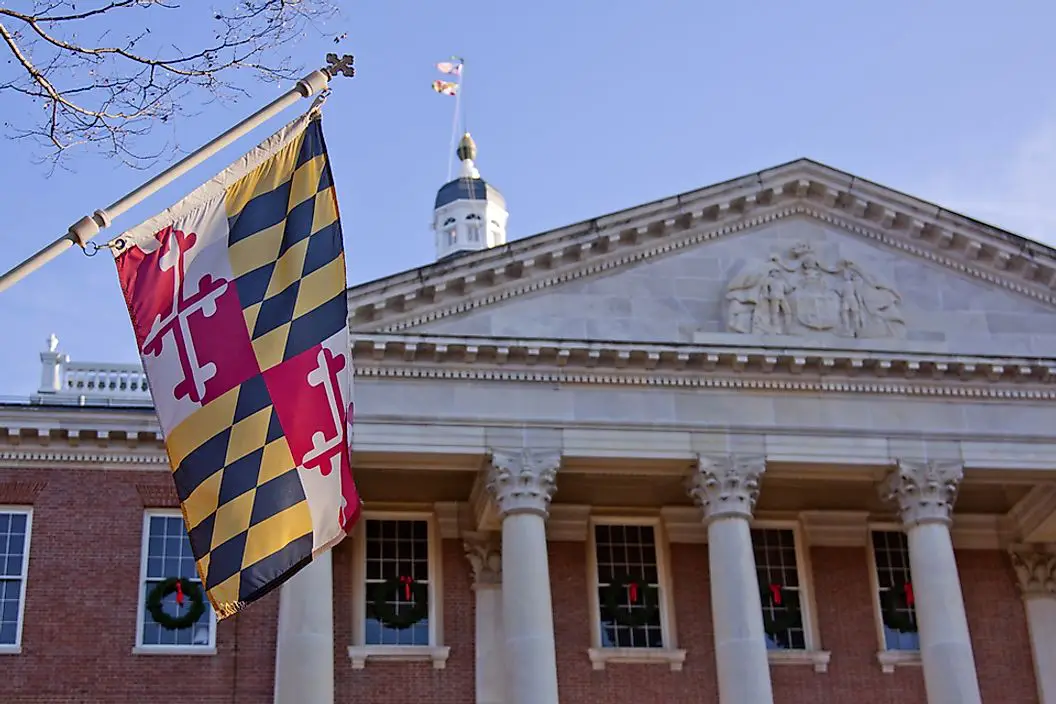
(AsiaGameHub) - The 2026 Maryland legislative session concluded without enacting a prohibition on sweepstakes casinos. Although the House of Delegates supported two pieces of legislation aimed at dual-currency casino-style games, the Senate did not act on them. Consequently, these proposals expired when the session adjourned. Good to Know Two bills opposing sweepstakes were passed by Maryland House legislators Both measures failed because the Senate did not hold a vote Legislation for real-money online casinos also stalled Sweepstakes operators received a reprieve in Maryland, though the conflict over their operations has not subsided. Time simply ran out for lawmakers. While two bills targeting online dual-currency casino games passed the House with significant bipartisan backing, neither was brought to a vote in the Senate before the April adjournment. As a result, despite having clear support in one chamber, no prohibition was enacted into law. Regulators were eager to see those bills passed. State gaming authorities stated they required more robust enforcement mechanisms to deal with the hundreds of unlicensed websites active in Maryland. Although the Maryland Lottery and Gaming Commission had issued numerous cease-and-desist letters, officials reported that only approximately 25% of the operators complied.Industry groups resisted the legislation and secured a temporary victory. The Social Gaming Leadership Alliance contended that the sweepstakes model does not violate Maryland law, citing that users can either play for free or purchase a separate currency for sweepstakes gameplay. Operators likened this structure to the McDonald’s Monopoly Sweepstakes, distinguishing it from illegal gambling. “SGLA is satisfied that neither (bill) was enacted into law in Maryland,” stated Sean Ostrow, managing director of SGLA, in a comment given to iGaming.org. “Although the drive to eliminate illegal gambling is praiseworthy, these two bills targeted more than just illicit operators and would have punished responsible Social Plus companies that provide robust consumer safeguards and support the Maryland economy. “In the end, we aim to collaborate with Maryland legislators and agencies to regulate Social Plus, ensure consumer safety, and produce tax revenue, and we anticipate engaging in these constructive discussions during the 2027 Maryland legislative session.”This outcome also reflects a broader trend in Maryland. The state failed to make significant progress on real-money online casino legislation as well. Resistance has emerged from both political parties, as well as from gaming stakeholders who contend that online casinos could diminish tax revenue and lead to job losses. Fears regarding gambling addiction also continue to fuel this opposition too. This article is provided by a third-party. AsiaGameHub (https://asiagamehub.com/) makes no warranties regarding its content. AsiaGameHub delivers targeted distribution for iGaming, Casino, and eSports, connecting 3,000+ premium Asian media outlets and 80,000+ specialized influencers across ASEAN.
Former Rank Group CEO John O’Reilly joins Tote Group board three months after retirement

(AsiaGameHub) - The UK Tote Group has recruited a prominent figure in the British gambling industry, naming former Rank Group CEO John O’Reilly as a Non-Executive Director. O’Reilly, who is set to join the 98-year-old organization at the start of next month, marks his second major career move of 2026, having been appointed Chair of the horse racing governing body Weatherbys this past March. He brings more than 35 years of expertise in the gaming, betting, and horseracing sectors, having only stepped down as CEO of Rank Group at the end of January. At the time of his retirement, he remarked to iGaming Expert: “To be honest, I never considered stopping. I have always felt I held the best job in the world, across every role I have undertaken. “I turn 66 in May and I still feel like I’m in my twenties. I continue to work 70 hours a week and have plenty of energy left, but I recognize that now is the right time to move on.” That energy is now being directed toward the Tote Group, which recently announced a partnership with the rugby league club Wigan Warriors, despite a general trend of reduced marketing expenditure among UK operators. O’Reilly’s extensive industry background includes nearly two decades as Executive Director of Ladbrokes (1992–2011), Managing Director of Gala Coral Group (2011–2015), and Non-Executive Director roles at TelecityGroup (2007–2016) and William Hill (2017–2018). Regarding his new appointment, he stated: “Like many who are deeply involved in horseracing and gambling, I have maintained numerous connections with, and hold fond memories of, the Tote over the years. “While the Tote boasts a century of history, I am convinced it has a vital role to play in the future of horseracing, both within the UK and Ireland and on an international scale. “The Tote has a compelling narrative of growth and innovation in recent years, and through further improvements to its pool products and the expansion of global partnerships, I believe the company’s best days are ahead. “I am thrilled to have the chance to join the UK Tote Group board and contribute to the company’s future success.” O’Reilly latest addition to Tote board O’Reilly is the newest appointee to the Tote Group’s board, which has seen several leadership changes in recent weeks. Just over a week ago, Chief Operating Officer Dave Hammond departed the company after three years with the Greater Manchester-based firm, including eight months in his final role. Additionally, former KPMG executive Andrew Weir was recently named a Non-Executive Director. O’Reilly joins the Tote Group during a period of sustained pressure on the horse racing industry, which serves as the Tote’s core business. The sport’s relationship with the gambling sector was tested during debates surrounding tax hikes last year, and it remains dependent on media rights, sponsorship, and the racing betting levy for financial stability. However, the sport has avoided the most severe tax increases, having been exempted from this year’s rise in Remote Gaming Duty (RGD) and the upcoming increase in General Betting Duty (GBD). John Williamson, Chairman of the UK Tote Group, commented: “We are pleased to welcome John to the UK Tote Group board. “As one of the most respected and experienced leaders in the betting sector, John will offer valuable support to the Tote team, particularly regarding customer experience and product development. “We are delighted to have John join the team, alongside Andrew Weir, who joined the UK Tote Group board earlier this month.” This article is provided by a third-party. AsiaGameHub (https://asiagamehub.com/) makes no warranties regarding its content. AsiaGameHub delivers targeted distribution for iGaming, Casino, and eSports, connecting 3,000+ premium Asian media outlets and 80,000+ specialized influencers across ASEAN.
New ‘Market Disruption’ track at SBC Summit Malta to demystify global regulatory shifts

(AsiaGameHub) - Ranging from Italy's full licensing system overhaul to stricter regulatory measures in the UK and the liberalization of emerging markets such as Finland, the global gaming sector is entering an era of major transformation. To help operators navigate this constantly evolving landscape, SBC Summit Malta is launching a specialized ‘Market Disruption’ track focused on regulatory shifts and newly emerging opportunities that will define the industry's next phase of growth. Taking place on Wednesday, 29 April, the programme will bring together regional experts to analyze the most significant regulatory changes across the global gaming space and their impact on operators, covering everything from market entry strategies to long-term financial viability. Kicking off the track is the session Italy Reset: Consolidation, Control and the Next Licensing Cycle, which will unpack the ramifications of Italy's new licensing structure. Regional experts Marco Tiso (Managing Director, Sisal), Quirino Mancini (Partner and Director, WH Italy), Luca Grisci (Managing Director, HBG Online (Novomatic Group)), and Nicola Tani (Chief Editor, Agipro) will assess the core challenges facing operators entering the market, from financial consequences and regulatory adjustments to the barriers created by the new framework. “UK in Transition: Regulation, Retreat and the Fight for a Sustainable Market” will analyze how stricter regulation and rising operational costs are reshaping the UK gambling market. Christopher Dalli (CEO, L&L Europe) will explore how operators are adapting, from cost-cutting measures to adjustments in affiliate partnership models, alongside the rapid expansion of the black market, and whether tighter rules are protecting players or pushing them towards unregulated alternatives. A key highlight of the track will spotlight Malta's evolving fiscal framework with the session “New VAT Laws on Gambling and Betting, a Game Changer.” Set to take effect on 1 October 2026, the new VAT regulations are expected to have a significant impact on how operators structure their business operations. The session will explore the drivers behind the reform, the benefits it brings to the gambling industry, and what steps Malta-based operators need to take to prepare for the changes, with insights from Nico Sciberras (Director Indirect Tax, MTCA), Cristian Edu (Head of Finance, Superbet Romania), and Ramona Cassar (Partner, Head of Tax, WH Partners). “Germany at a Crossroads: Regulation and Market Sustainability” will examine the challenges facing one of Europe's largest gambling markets. With growing black market activity, ongoing debates around channelisation, and increasing scrutiny over the balance between taxation and player protection, the session will explore whether Germany's current regulatory model is viable, moderated by Dr. Fabian Masurat (Lawyer, Taylor Wessing). “The Dutch Market at a Crossroads: Regulation, Politics and the Future of Licensing” will explore how political uncertainty and tightening restrictions are shaping the Netherlands' gambling landscape. With ongoing discussions around advertising bans and licensing limits, the session will examine whether increased regulation could drive market consolidation or force operators to exit the market, with insights from Frank op de Woerd (CEO & Founder, CasinoNieuws.nl). “Finland's Big Gamble: Can Regulation Win Back the Market?” will focus on the country's transition from a state monopoly to a licensed market by 2027. With channelisation rates declining and substantial revenue flowing to offshore operators, the session will explore whether the proposed regulatory framework can effectively compete with the black market, as discussed by Sam Brown (CEO, Rootz). Closing out the track, “Emerging Markets: The Next Billion Dollar Battleground” will examine where the industry's next growth opportunities are taking shape, as attention shifts from mature markets to regions across Africa, the UAE, Asia, and Latin America. With regulation still evolving in many of these markets, the session will explore where operators can make early moves, which regions are closest to formalizing regulation, and who is best positioned to succeed, featuring Donna Bugelli (Managing Associate, WH Partners). SBC Summit Malta will be held at the InterContinental Malta from 28–30 April, bringing together 6,000 industry stakeholders to explore the key forces shaping global gaming, from evolving regulation to technological innovation and shifting player expectations. Alongside the Market Disruption track, attendees will gain insights across marketing, sports betting and iGaming, operations and compliance, policy and PR, affiliation, and leadership. Secure Your Tickets to SBC Summit Malta Group Pass 3+ (VIP Pass): Available for groups of three or more, this pass grants full access to conference sessions, the expo floor, and networking events, all for a discounted rate of €400 per person. Single VIP Passes can be purchased at the full standard price of €600. Looking for an Expo+ Pass? You can get one for just €150.If you are an operator or affiliate, you are eligible to apply for a free pass! Operators can apply for a complimentary pass here | Affiliates can apply for complimentary passes here. This article is provided by a third-party. AsiaGameHub (https://asiagamehub.com/) makes no warranties regarding its content. AsiaGameHub delivers targeted distribution for iGaming, Casino, and eSports, connecting 3,000+ premium Asian media outlets and 80,000+ specialized influencers across ASEAN.
Netherlands gambling regulator warns black market approaching half of betting expenditure

(AsiaGameHub) - The Netherlands' gambling regulator, the Kansspelautoriteit (KSA), has stated that the country's illegal gambling sector is expanding further. In its most recent review, KSA Chairman Michel Groothuizen noted that primary metrics for the legal market—such as licensee count, player figures, and total revenue—have stayed mostly flat over the past six months. This stagnation demonstrates the effect of rules enacted in 2024 and 2025, which encompassed deposit restrictions, advertising rules, and increased tax rates on gambling. Even with the market's lack of growth, the KSA indicated that average player losses have kept dropping, declining to approximately €120 (£104) per month in the latter half of 2025—a reduction of over 25% from the year before. Nevertheless, the KSA expressed renewed alarm over the scale of the illicit market. The proportion of gross gaming revenue (GGR) attributed to licensed operators decreased from 56% early in 2025 to 53% in the second half, implying close to half of all gambling expenditure now goes to unlicensed sites. Michel Groothuizen. Credit: LinkedIn “Research indicates the illegal market's global share is increasing, a pattern we observe in other European nations too,” Groothuizen stated. “Several technological advances, like AI, and trends such as cryptocurrency gambling are factors. In the Netherlands, this movement might also stem from our own actions to enhance player safety at legal operators, like the implemented deposit limits. “Whereas half a year ago we had not seen deposit limits per operator leading to multiple accounts, we now notice a slight rise in accounts per player. “Consequently, it is plausible that the financial capacity check triggered above a specific amount motivates individuals to open another legal account elsewhere to avoid it, or to move completely to illegal options.” As Groothuizen highlighted, illicit market growth is not confined to the Netherlands. Regulators worldwide appear to be struggling to manage the surge of unlicensed operators within their borders. For instance, a recent YieldSec report revealed 62% of gambling activity in South Africa occurred via unlicensed sites not regulated domestically. South African Bookmakers’ Association (SABA) CEO Sean Coleman informed SBC News that the country's regulators are “lacking resources and skill sets to deal with the illegal market”. This sentiment is likely common among experts in many countries, supported by a study for Flutter Entertainment detailing how UK black market operators function effectively without significant consequences. Regarding this, researcher Alex Wood remarked it would be “impossible” to legally confront these operators because of cross-border challenges. The KSA’s future plans For the future, Dutch authorities are evaluating a comprehensive deposit limit to stop players from hopping between licensed operators. Although this could limit avoidance within the legal market, Groothuizen recognized it might also drive some players to illegal alternatives. The KSA also reaffirmed its dedication to rigorous duty-of-care standards, underscoring persistent worries about high-risk gambling. Approximately 6% of Dutch adults engage in online gambling, and it has been highlighted that the country has “no age group that has as many gambling accounts, relatively speaking, as 18-year-olds”. Groothuizen cautioned that relaxing player safeguards would be unsuitable, emphasizing that protecting at-risk users is a foremost concern. Only last week, the KSA allocated additional money to its Addiction Prevention Fund to combat problem gambling. Although the regulator is often highlighted globally for addressing gambling harm and illegal operations, it continues to face extensive challenges—issues that extend beyond the Netherlands. Groothuizen ended his remarks by stating: “Strict compliance with the duty of care thus remains a key priority for the legal market. “It is self-evident that the illegal sector has no concern whatsoever for the potential harm from gambling.” This article is provided by a third-party. AsiaGameHub (https://asiagamehub.com/) makes no warranties regarding its content. AsiaGameHub delivers targeted distribution for iGaming, Casino, and eSports, connecting 3,000+ premium Asian media outlets and 80,000+ specialized influencers across ASEAN.
Romanian Authority Prepares €5m to Address Problem Gambling

(AsiaGameHub) - The Romanian regulator, the ONJN, is allocating €5 million (£4.3m) in grants to tackle problem gambling. This financing is being distributed under the National Public Interest Programme 'Conscious and Free', a commitment formalized by the ONJN and published in the Official Gazette in December 2025. The grants will provide non-reimbursable funding for non-profit initiatives, drawn directly from the ONJN's 2026 budget earmarked for promoting socially responsible gambling. The allocation is divided into three key areas. The majority of the funds, €3.6 million, is designated for prevention, education, safeguarding minors, treatment, counselling, research, digitalisation, and the promotion of responsible gambling. An amount of €1.2 million is set aside specifically for establishing or expanding specialised treatment centres, a category of funding exclusively available to public authorities. The remaining €200,000 will support studies and impact assessments to guide the development of future public policies and intervention strategies. A complete timeline has been announced, outlining four distinct phases. The deadline for application submissions is 11 May, with eligibility assessments to be published on 15 May. A window for appeals will run from 18-20 May, followed by the release of final resolutions and compliance results between 21-26 May. On 8 July, the ONJN will publish the findings of an independent analysis along with the report from a specially appointed ONJN Evaluation Commission. These preliminary results can be challenged until 13 July, with the definitive results scheduled for publication on 28 July. The concluding phase involves finalising funding contracts from 29-31 July, with a target start date for all projects set for 3 August. Each initiative is planned to run for a four-month period, concluding in December 2026. Vlad-Cristian Soare, President of ONJN, stated: “I promised that these projects would materialize. Despite all the obstacles in the past, the projects will exist and, most importantly, they will help vulnerable people. “We are thus ensuring the first funding in the history of ONJN for this type of programs and, at the same time, the necessary regulatory framework has been created for funding in the coming years. “I would like to remind you that, in order for these fundings to become possible, a collective effort was needed by ONJN, the Ministry of Finance and UEFISCDI, an effort that involved: amending the law; reforming the internal responsible gaming service existing at the level of ONJN; building the legal mechanism and adopting two orders of the President of ONJN that established the methodology and the applicant’s guide; public consultations; creating a platform for submitting projects; approving the State Budget Law; publication of the program and the announcement.” This article is provided by a third-party. AsiaGameHub (https://asiagamehub.com/) makes no warranties regarding its content. AsiaGameHub delivers targeted distribution for iGaming, Casino, and eSports, connecting 3,000+ premium Asian media outlets and 80,000+ specialized influencers across ASEAN.
Caixa Puts Bets Brand Launch on Hold Amid Regulatory Uncertainty in Brazil

(AsiaGameHub) - Caixa Econômica Federal has verified the suspension of its initiative to introduce an online gambling platform in accordance with Brazil's Bets Law. Late last week, the bank declared it would halt the launch of its online betting brand scheduled for 2026, choosing to "observe upcoming changes in federal online gambling regulations". Consequently, Caixa will suspend its BRL 30 million (€6 million) license fee payment to the Ministry of Finance's Secretariat of Prizes and Bets (SPA), the body responsible for regulating fixed-odds betting in the country. As reported by SBC Noticias Brazil, the state-supported financial institution faced examination from the Federal Court of Accounts (TCU), which mandated it reveal its online gambling platform strategy and detail its planned use of public funds. Having been the sole operator of Brazil's lottery system since 1962, under a decree from President João Goulart, Caixa maintains this role today. Its subsidiary, Caixa Loterias, runs the nation's premier lottery games such as Mega-Sena, Lotofácil, Quina, and Lotomania, and also manages infrastructure and bidding for state lottery concessions. The suspension of Caixa's plans occurs against a backdrop of political disputes concerning the destiny of the Bets Law. Bets in limbo A bill (PL 1808/2026) was introduced last week by the Workers' Party congressional caucus, advocating for the full dismantling of the Bets framework and a ban on all online gambling nationwide, excluding state-run lottery offerings. This represents a potential reversal for Brazil, which only enacted its online gambling laws 16 months ago and has been viewed as a future major global market for the industry. While supported by 68 PT lawmakers, the bill lacks official approval from President Luiz Inácio Lula da Silva or top government officials, making its political influence unclear. Additional doubt emerged on Friday when O Globo reported that President Lula is drafting a decree to modify parts of the existing betting system. The anticipated changes are likely to aim at limiting gambling access for economically at-risk populations, with a focus on safeguarding the Bolsa Familia welfare program. The President is also expected to propose extensive restrictions on advertising and promotional offers. These events have positioned Caixa in a delicate political situation. The federal bank's 2025 authorization to join the Bets market attracted criticism from political figures concerned about a state-owned entity advertising online gambling under the Caixa Loterias name. Caixa Loterias is obligated to direct approximately 40% of lottery income to public finance, aiding education, healthcare, sports, and social security initiatives, which establishes it as a crucial contributor to social investment in Brazil. Addressing the present ambiguity, Caixa reaffirmed it is keeping a close watch on regulatory changes. The bank stated: "Caixa clarifies that it continuously and responsibly assesses opportunities in the fixed-odds betting market, in line with the regulatory landscape. No contracts for platform operation have been signed to date, and there are no fines to be paid regarding this issue." It further noted that its strategic choices are based on "technical, legal, and sustainability principles, and continue to follow the federal government's guidance." This article is provided by a third-party. AsiaGameHub (https://asiagamehub.com/) makes no warranties regarding its content. AsiaGameHub delivers targeted distribution for iGaming, Casino, and eSports, connecting 3,000+ premium Asian media outlets and 80,000+ specialized influencers across ASEAN.
Bally’s Intralot is in discussion with evoke for a complete takeover

(AsiaGameHub) - evoke and Bally’s Intralot have officially confirmed that acquisition discussions are underway. A public announcement from evoke, which has been approved by the Bally’s Intralot Board, indicated that talks are progressing regarding a potential acquisition of all of evoke’s issued and to-be-issued share capital at a price of 50 pence per share. As of April 17, the LSE-listed gambling group had 450 million shares outstanding. At 50 pence per share, this would place the purchase value at approximately £225 million. Following this announcement, evoke’s share price has seen an increase, trading around the 42 pence mark, its highest in a month. Credit: Google Bally’s Intralot retains the right to alter the terms of any potential offer, with May 18 set as the deadline for confirming such an offer. Robeson Reeves, Chief Executive Officer of Bally’s Intralot, stated: “We have established a business with a margin profile that distinguishes itself within this industry. evoke possesses the necessary scale. “We perceive a significant opportunity to apply our operating model to a considerably larger entity, with the potential to enhance its financial performance through substantial synergies that we are uniquely positioned to deliver. This is an opportunity we are pursuing with strong conviction.” The acquisition would consolidate three major brands under the Bally’s Intralot umbrella: evoke’s iGaming platforms 888casino and MrGreen, along with William Hill, which is the leading retail bookmaker in the UK and also a prominent online brand. However, this acquisition would also involve taking on significant debt, as evoke reported a net debt of -£1.8 billion in its interim H1 2025 results. At the close of 2025, evoke confirmed it was conducting a strategic review with the assistance of financial advisors Morgan Stanley and Rothschild & Co, which is when speculation about a sale intensified. This speculation was further fueled when evoke postponed its FY25 results to April 29, a month later than its usual reporting schedule in recent years. The news regarding the strategic review followed shortly after the UK Autumn Budget, announced by Chancellor of the Exchequer, Rachel Reeves, who confirmed an increase in Remote Gaming Duty from 21% to 40%, effective from April. Prior to the budget, evoke had decided to scale back its international presence for William Hill, withdrawing the brand from 13 markets to concentrate primarily on the UK. Subsequently, it was confirmed that an additional 200 shops would be closed within its domestic market. For Bally’s Intralot, the advantages are evident: a leading position not only in the UK but also in several other key European markets, such as Italy, where evoke recently secured a €7 million license under a newly regulated framework. This article is provided by a third-party. AsiaGameHub (https://asiagamehub.com/) makes no warranties regarding its content. AsiaGameHub delivers targeted distribution for iGaming, Casino, and eSports, connecting 3,000+ premium Asian media outlets and 80,000+ specialized influencers across ASEAN.
Scottish Greens Vow to Tax Gambling Companies and End Their Sponsorships

(AsiaGameHub) - The Scottish Greens have committed to implementing a new levy on gambling establishments as part of their 2026 manifesto, with the goal of funding services for addiction prevention, recovery, and support. Under these plans, land-based businesses such as bookmakers and casinos would be subject to an additional surcharge on non-domestic rates. The resulting income would be allocated to public health programs designed to mitigate gambling-related issues. The party stated that this policy is intended to ensure that companies take responsibility for the societal expenses linked to their operations, particularly regarding the effects of problem gambling on local communities. “A significant number of gambling firms generate profit by taking advantage of addiction and vulnerability, while the public sector, families, and communities are left to manage the fallout,” remarked Gillian Mackay, Co-Leader of the Scottish Greens. “What is frequently presented as harmless entertainment can escalate into a much more grave situation. “For many individuals, gambling leads to addictive behaviors that result in debt, intense stress, mental health challenges, and lasting damage to family life. This harm is not confined to the individual; it impacts their relatives, their homes, and their wider neighborhoods. “Our strategy focuses on shifting accountability back to where it belongs. Quite simply, if a firm is profiting from harm and addiction, it should not be permitted to avoid the associated social costs. If a business makes money from activities that cause this level of damage, it must contribute to the cost of the response. This is a matter of fundamental fairness. “With public services already under significant strain, it is not right for the NHS, local areas, and families to carry the burden while gambling firms continue to see profits.” While the Scottish Greens are a smaller political force compared to the ruling Scottish National Party (SNP) and the Labour opposition, they still maintain a level of influence. Two Green MPs served in ministerial roles from August 2021 to April 2024 through a coalition with the SNP. The party also strongly backed a bill from an SNP MSP to outlaw greyhound racing, which has since been enacted. The prospect of the party shaping policy is plausible, as recent data suggests the Scottish Greens could potentially win up to 17 seats, becoming the second-largest party in the country. In addition to advocating for higher gambling taxes, the Scottish Greens are also pushing for a total ban on betting sponsorships within the sports industry. This move might find support among certain groups of Scottish football fans—who have frequently voiced their opposition to gambling ads—though it could also represent a financial challenge for clubs. Mackay further stated: “Gambling addiction takes lives and should be addressed with the same urgency as drug addiction. This requires a comprehensive public health strategy centered on recovery and prevention rather than overlooking the extent of the damage. “This is why we are also dedicated to prohibiting gambling sponsorships in sports. When someone is trying to overcome an addiction, they shouldn't be constantly triggered by it during sporting events. Furthermore, those under 18 should not be exposed to a gateway for problem gambling. “On 7 May, a vote for the Scottish Greens is a vote to ensure that businesses profiting from harm are finally held accountable, benefiting all of Scotland rather than just wealthy gambling corporations.” Which sports organizations would feel the impact? Several of Scotland’s most prominent sporting institutions have partnerships with gambling firms. For instance, the Scottish Professional Football League (SPFL) is currently sponsored by William Hill, which is owned by evoke. The nation’s two most successful football clubs—Celtic and Rangers—both feature gambling companies as primary shirt sponsors, with the former partnered with Dafabet and the latter with Unibet. Another significant gambling-related sponsorship in the region is Coral’s association with the Scottish Grand National. Scottish Greens align with similar European initiatives The proposals from the Scottish Greens reflect similar measures taken across Europe, where sports gambling sponsorships have been restricted or banned entirely. A notable example is the Netherlands, which implemented a ban on gambling advertisements and sponsorships for sports competitions and clubs in July of last year. The focus on responsible gambling in the UK is more critical than ever as figures for gambling-related harm continue to rise. The introduction of a new statutory levy has also caused debate, as the government is now tasked with allocating funds for prevention charities, replacing the now-defunct GambleAware. The Scottish Greens' initiative to use gambling revenue for harm prevention charities is likely to be supported by both the public and charitable organizations. Nevertheless, if the Scottish Greens succeed in the 2026 Scottish Parliament Election next month, many sports organizations may find themselves searching for ways to fill a significant financial gap caused by new taxes and the loss of gambling sponsors. This article is provided by a third-party. AsiaGameHub (https://asiagamehub.com/) makes no warranties regarding its content. AsiaGameHub delivers targeted distribution for iGaming, Casino, and eSports, connecting 3,000+ premium Asian media outlets and 80,000+ specialized influencers across ASEAN.
Google bans 270M+ gambling ads in 2025 as regulatory pressure mounts

(AsiaGameHub) - Google has removed hundreds of millions of gambling-related advertisements for violating its policies, with the tech company noting that its safety teams are operating around the clock. Despite these efforts, Google, along with other major technology firms, continues to face regulatory scrutiny regarding the promotion of illegal gambling across various international markets. The Alphabet subsidiary has been utilizing its Gemini AI technology to identify "bad ads"—promotions on the Google Ads network that fail to meet its standards. In 2025, the company blocked or took down 8.3 billion advertisements, a figure roughly equivalent to one banned ad for every person on Earth, based on April 2026 Worldometer projections. Gambling and gaming represented the eighth-largest category of prohibited advertisements, with more than 270.7 million ads removed in 2025. Additionally, the sector accounted for 123.9 million restricted ads, making it the third-largest category in that segment. “Our teams have long used advanced AI to identify and stop scammers, and Gemini takes that work even further,” stated Keerat Sharma, Google’s Vice President and General Manager of Ads Privacy and Safety. “Our models analyse hundreds of billions of signals — including account age, behavioural cues and campaign patterns — to stop threats before they reach people. “Unlike earlier keyword-based systems, our latest models better understand intent, helping us spot malicious content and preemptively block it, even when it’s designed to evade detection.” Whose ads have been removed?… Gambling advertising has increasingly become a focal point for Google over the past year, driven by rising public and political pressure regarding the visibility of betting content—both legal and illegal—across multiple regions. In response to concerns raised in countries including the UK, Brazil, the Netherlands, and Australia, Google has taken action. In January, Google Ireland announced that its advertising policies would be tightened starting in March 2026. The Google Ads team in Ireland informed stakeholders that accounts experiencing repeated policy violations or certification revocations could face permanent loss of certification or the rejection of future applications. Google’s 2025 report also highlighted significant enforcement against publishers, noting 9.7 million policy violations by gambling and gaming publishers, ranking the sector fifth in terms of page volume. However, the report does not clarify whether the gambling platforms being promoted were licensed or unlicensed within their respective target markets. This distinction is critical for gambling regulators demanding accountability from tech companies. The prevalence of unlicensed advertising on social media has been a frequent subject of debate in the UK, particularly regarding regulation and taxation. Meanwhile, in Brazil, the nascent "Bets" market continues to contend with a long-standing black market that existed for decades prior to the formal legalization of the sector on January 1, 2025. On Saturday, April 18, the Brazilian Ministry of Justice and Public Security (MJSP) issued letters to Google Brazil and Apple, demanding clarification regarding the presence of illegal betting applications on the Google Play Store and Apple’s App Store. According to the MJSP, these applications were not licensed by the Secretariat of Prizes and Bets (SPA), the betting regulator under Brazil’s Ministry of Finance. The apps were identified through monitoring conducted by the General Coordination of Rating Classification of the National Secretariat of Digital Rights (SEDIGI). The MJSP has requested that Google and Apple provide comprehensive details regarding their internal policies, screening processes, and an updated inventory of all lottery, betting, and casino applications available on their platforms. Pressure remains high on Big Tech firms like Google and Apple, as well as social media platforms like Meta and X, to curb the spread of online gambling. Regulators in markets such as the UK and Brazil have also highlighted the use of influencers to promote illegal gambling products. Nevertheless, Google maintains confidence in its ability to police its advertising platform. Emphasizing the effectiveness of the Gemini AI system, Sharma noted that the technology has “dramatically improved our ability to detect and stop bad ads”. “Our systems caught over 99% of policy-violating ads before they ever served, and we’re continuing to evolve our defenses to stay ahead of even the most advanced schemes,” Sharma asserted. This article is provided by a third-party. AsiaGameHub (https://asiagamehub.com/) makes no warranties regarding its content. AsiaGameHub delivers targeted distribution for iGaming, Casino, and eSports, connecting 3,000+ premium Asian media outlets and 80,000+ specialized influencers across ASEAN.
Nvidia Introduces Nemotron 3 Super, Offering Accelerated AI Performance

(AsiaGameHub) - Nvidia has unveiled Nemotron 3 Super, a new open-access AI model engineered to operate faster and process extremely lengthy prompts. The company is targeting this offering at developers building AI agents, a use case where costs can rise sharply when models need to complete multi-step reasoning tasks. Good to Know According to Nvidia, Nemotron 3 Super delivers up to 7.5 times greater throughput compared to Qwen3.5 122B A10B. This model supports context windows as large as 1 million tokens. Nvidia has made both the model and its associated training resources openly accessible to the public. Engineered for Speed and Lengthy Input Processing Nemotron 3 Super does not activate its full set of parameters every time it generates a response. Instead, it adopts a Mixture of Experts design, where only a portion of the model is switched on for each individual task. Nvidia states this design helps cut inference costs and makes the model more practical for AI agents that typically consume large volumes of tokens during operation. Across its 88 total layers, the model combines both Mamba and Transformer layers. In simple terms, one layer type helps it process very long inputs more efficiently, while the other preserves its response accuracy. Nvidia says this configuration gives the model a native context window of up to 1 million tokens. Nvidia has also integrated a routing system called LatentMoE. It directs each task to a small subset of expert modules inside the model instead of activating the entire system. Per Nvidia's claims, this enables higher levels of specialization without driving up inference costs in the way standard MoE systems do. The company says under its specified test setup, Nemotron 3 Super delivers 2.2 times the throughput of GPT OSS 120B and 7.5 times the throughput of Qwen3.5 122B A10B. Nvidia also notes it offers over 5 times higher throughput and up to double the accuracy of the previous Nemotron Super version. The model was trained on 25 trillion tokens, followed by an additional training phase using 51 billion tokens to extend its context length to 1 million tokens. Nvidia then applied supervised fine-tuning and reinforcement learning techniques to improve its overall performance. Benchmark results for the model were also strong. Nvidia reports scores of 83.73 on MMLU Pro, 90.21 on AIME25, 60.47 on SWE Bench with OpenHands, 85.6% on PinchBench, and 91.64 on RULER 1M. The model also powers Nvidia AI Q, a research agent that claimed the top position on the Deepresearch Bench leaderboard. Nvidia trained the model using NVFP4, a format developed specifically for Blackwell GPUs. When running on B200 hardware, the company says inference speeds can reach up to 4 times faster than FP8 format running on H100 GPUs, with no reported drop in accuracy. Nemotron 3 Super is available under the Nvidia Nemotron Open Model License. Developers can access its checkpoints in BF16, FP8, and NVFP4 formats on Hugging Face. Nvidia also supports inference via Nvidia NIM, build.nvidia.com, Perplexity, Openrouter, Together AI, Google Cloud, AWS, Azure, Coreweave, Dell Enterprise Hub, and HPE. Additional guides and implementation resources are available through NeMo. This article is provided by a third-party. AsiaGameHub (https://asiagamehub.com/) makes no warranties regarding its content. AsiaGameHub delivers targeted distribution for iGaming, Casino, and eSports, connecting 3,000+ premium Asian media outlets and 80,000+ specialized influencers across ASEAN.
Majority of PC Gaming Revenue Generated by Titles Outside the Top 20

(AsiaGameHub) - The PC and Console Gaming Report 2026, released by Newzoo, highlights a significant trend in Western markets. On PC, revenue generated by games outside the top 20 chart leaders has surpassed that of the leading titles, and players are also dedicating more time to these less prominent games. Key Takeaways In Western markets, games ranked 21 and below accounted for 56% of PC revenue in 2025, an increase from 48%. Playtime for games outside the Top 20 saw a 44% increase, while overall PC playtime grew by 14%. On Xbox, Game Pass significantly influences player engagement, whereas PlayStation's engagement is more driven by major exclusive catalog titles. PC Gaming Environment Fosters Broader Success More than half of PC gaming revenue in Western markets now originates from titles not among the Top 20. This finding from Newzoo signals a notable shift in the industry's direction. While major hits continue to be important, the segment of games just below the top tier is gaining substantial commercial influence. Tianyi Gu, manager of market analysis at Newzoo, explained the situation: “On PC, the space below the Top 20 is becoming more economically meaningful. That doesn’t make the market unconcentrated, but it does make games below the very top more commercially relevant than before.”This trend extends beyond sales figures, also reflecting in player engagement. Newzoo reports that playtime for games ranked 21 and lower surged by 44% in 2025. During the same period, total PC playtime increased by 14%, while playtime for Top 20 games remained stable or slightly declined. This indicates that players are not only purchasing more games from outside the top tier but are also investing more time in them. Certain game genres appear to be benefiting disproportionately. Enduring catalog titles such as Cyberpunk 2077, Elden Ring, and Skyrim continue to attract players. Survival games and action RPGs also align with this pattern, largely due to ongoing updates, balancing adjustments, and long-term support that maintain their relevance post-launch. Rust, DayZ, and Path of Exile 2 are notable examples in this category. Newer releases are also experiencing a more extended period of engagement than in the past. Newzoo points to REPO and Kingdom Come Deliverance 2 as games that maintained steady sales after dropping from bestseller lists. This is significant as the sharp decline in sales immediately after launch appears to be lessening. A larger segment of players seems content to wait for discounts, patches, or sufficient free time to engage with games later. Console gaming trends present a different picture. On PlayStation, older titles must compete for player attention against annual sports games, which consistently capture engagement even outside the top ranks. When PlayStation players revisit older releases, they tend to favor high-profile exclusives like God of War Ragnarök, Ghost of Tsushima, Spider Man 2, and The Last of Us Part 2.Xbox exhibits yet another distinct pattern. According to Newzoo, playtime on Xbox closely correlates with a game's inclusion in Game Pass. New free-to-play titles constitute less than 1% of playtime on Xbox, suggesting that many players on this platform remain focused on the subscription library they already access. Over two decades ago, Chris Anderson posited in Wired that PC gaming was well-positioned to capitalize on the "long tail," partly due to nostalgia and older software finding new life on modern hardware. This prediction appears even more pertinent today. While PC gaming continues to accommodate blockbusters, the distribution of revenue and player time is broadening, offering publishers, live service developers, and catalog owners expanded opportunities. This article is provided by a third-party. AsiaGameHub (https://asiagamehub.com/) makes no warranties regarding its content. AsiaGameHub delivers targeted distribution for iGaming, Casino, and eSports, connecting 3,000+ premium Asian media outlets and 80,000+ specialized influencers across ASEAN.
Bitcoin Declines as Iran Withdraws from Planned Second U.S. Talks

(AsiaGameHub) - Bitcoin declined on April 19 as traders responded to an escalated geopolitical risk landscape. Iran backed out of a planned second round of negotiations with the U.S., and the crypto market promptly gave up some of its recent recovery gains. Good to Know Over a 24-hour period, Bitcoin dropped approximately 2% and hit around $73,820 on CoinMarketCap. Iran stated it would not proceed with further talks, citing excessive U.S. demands, conflicting signals, and naval pressure in the Strait of Hormuz. Traders are currently monitoring support levels between $70,500 and $71,000, as well as resistance near $75,000. Bitcoin Retracts as Iran-Related Risks Resurface BTC moved out of the $74,000-$77,000 range it had maintained during recent consolidation, wiping billions off the total crypto market capitalization. As of 8:30 p.m. ET, Bitcoin was still attempting to hold above the $74,000 mark. Tension mounted after Iranian state media confirmed that Tehran had pulled out of a scheduled second negotiation session. Iranian officials highlighted what they described as overly demanding U.S. terms, conflicting stances, and a continuing U.S. naval presence in the Strait of Hormuz. The Strait of Hormuz is still among the world’s most critical oil shipping lanes, so any disruption there can quickly impact energy prices and investor risk appetite. Cryptocurrencies have closely followed such geopolitical signals in early 2026, and Bitcoin was no exception this time.Earlier this month, negotiations held in Islamabad on April 11 and 12 lasted over 21 hours without resulting in a ceasefire or nuclear agreement. JD Vance later noted that Iran had rejected U.S. terms, while Iranian officials characterized the meeting as preliminary. In mid-April, markets had temporarily shifted direction after Donald Trump mentioned that Iran had discreetly sought further dialogue. This helped push Bitcoin back toward $76,000. However, Saturday saw a reversal: Iran turned down additional talks, and the relief rally dissipated. From a technical analysis perspective, support levels are now around $70,500 to $71,000, with resistance near $75,000. BTC has tested the $76,000 level multiple times in recent weeks but hasn’t been able to sustain gains above it, leaving traders focused on whether buyers can protect current price levels. Trump increased the pressure with a Sunday warning to Iran, stating he no longer intends to be “Mr. Nice Guy.” Markets are now awaiting any official U.S. response, new diplomatic initiatives supported by Pakistan, and any further disruptions related to the Strait of Hormuz. This article is provided by a third-party. AsiaGameHub (https://asiagamehub.com/) makes no warranties regarding its content. AsiaGameHub delivers targeted distribution for iGaming, Casino, and eSports, connecting 3,000+ premium Asian media outlets and 80,000+ specialized influencers across ASEAN.
CoinPoker’s World Poker Masters Set for May 3 to June 1, Featuring $25M in Guarantees

(AsiaGameHub) - CoinPoker is set to host its largest-ever tournament series, the World Poker Masters, from May 3rd to June 1st. The festival features a massive $25,000,000 in guaranteed prize money, headlined by a $2,500,000 Main Event, a $500,000 Mini Main Event, and an additional $500,000 allocated for leaderboard prizes. Good to Know The World Poker Masters takes place from May 3 to June 1, 2026. The entire schedule boasts $25,000,000 in guaranteed prize pools. Qualification is available via Warm Up satellites running from April 26 to May 2. CoinPoker Loads Up a Bigger Tournament Schedule CoinPoker is launching a four-week online poker festival centered on substantial guarantees and non-stop action for all stake levels. The premier attraction is the $530 Main Event, which features a record-breaking $2,500,000 guarantee for the platform. The schedule also includes enhanced CoinMasters events, the CoinMillion tournament, high rollers, and a $55 Mini Main Event with a $500,000 guarantee. The Main Event will follow a multi-flight structure. Day 1 flights are scheduled for each Sunday of the series, with a final Day 1E on May 31st. Players who survive will progress to Day 2 on June 1st. Participants are permitted to enter more than one starting flight, but only their largest stack will carry forward. Additional marquee tournaments complete the lineup. The CoinMillion event has a $215 buy-in and a $1,000,000 guarantee spread over two days. The $1,500 CoinMasters BITCOIN High Roller also guarantees $1,000,000 and will award the winner a physical CoinMasters Coin. High roller buy-ins range from $1,500 to $25,000, with guarantees reaching as high as $1,000,000.An extra $500,000 in leaderboard prizes is also part of the series. The $75,000 Champions Leaderboard recognizes the best overall performers, awarding up to $30,000 to the winner. The remaining $425,000 is distributed across four weekly WPM leaderboard competitions, divided into High ($109 and above) and Low ($11 to $88) buy-in categories. Each weekly race pays out up to 80 players, with top prizes hitting $15,000. Leaderboard points are earned based on tournament results, factoring in final placement and field size, allowing players who consistently make deep runs to accumulate value beyond direct prize money. The four scoring periods are May 3-9, May 10-16, May 17-23, and May 24 to June 1. Prior to the main festival, CoinPoker will hold a Warm Up phase from April 26th to May 2nd. This period is dedicated to satellites and feeder tournaments designed to provide affordable entry into the major events, including the Main Event. This structure offers a gateway for micro and low-stakes players to participate. A new addition is the Trophy Cabinet, a profile feature that enables players to showcase trophies won during the World Poker Masters and CoinMasters series. CoinPoker is introducing this to add a prestige element that complements cash rewards.Established in 2017, CoinPoker supports cryptocurrency payments in addition to bank cards, Google Pay, and Apple Pay. The World Poker Masters now joins other platform series like the Coin Series of Poker and CoinMasters as part of its expanding tournament portfolio. FAQ When Does World Poker Masters Run? The World Poker Masters is scheduled from May 3 to June 1, 2026. How Much Is Guaranteed Across The Series? There is a total of $25,000,000 guaranteed across all events in the series. What Is The Main Event Buy In And Guarantee? The Main Event has a $530 buy-in and a $2,500,000 guaranteed prize pool. How Does Main Event Qualification Work? Participants may play multiple Day 1 flights; however, only their largest chip stack will advance to Day 2 on June 1. What Are The Other Big Events In The Series? Key tournaments include the $55 Mini Main Event with a $500,000 guarantee, the $215 CoinMillion guaranteeing $1,000,000, and high roller events with guarantees of up to $1,000,000.What Is The Warm Up Stage? The Warm Up stage occurs from April 26 to May 2 and concentrates on satellites and feeder tournaments for World Poker Masters events. What Is The Trophy Cabinet? This is a new profile feature that allows players to exhibit trophies acquired from tournament victories. This article is provided by a third-party. AsiaGameHub (https://asiagamehub.com/) makes no warranties regarding its content. AsiaGameHub delivers targeted distribution for iGaming, Casino, and eSports, connecting 3,000+ premium Asian media outlets and 80,000+ specialized influencers across ASEAN.
France Gambling Revenue Reaches €14.1 Billion, Online Betting Sees Growth

(AsiaGameHub) - In 2025, France experienced another year of expansion in the gambling sector, achieving a total gross gaming revenue (GGR) of €14.1 billion. Recent figures released by the ANJ indicate continued growth in online betting, robust performance in lottery activities, and a positive contribution from casinos. Good to Know The GGR for gambling in France increased by 3% in 2025, totaling €14.1 billion. Revenue from online gambling surged by 8.5%, reaching €2.617 billion. The ANJ cautioned that higher levels of participation might lead to greater gambling-related harm. Online Betting and Lottery Drive Growth in French Gambling Revenue According to the ANJ, the French regulated gambling market expanded from €13.7 billion in 2024 to €14.1 billion in 2025. This 3% growth positions France comparably to other significant European markets, trailing the UK's 4.3% but surpassing Italy's 1.9%. The most significant boost came from online gambling. Revenue in the competitive online sector increased by 8.5% to €2.617 billion, raising the online segment's share of the total market to 18.5%, an increase from 16.4% in 2023. Gains were recorded across sports betting, horse racing, and poker. Additionally, the number of unique online players grew by 7.5% to 4.2 million, and active accounts increased by 7.1% to 6.1 million. There was a 25% jump in multi-activity players, indicating a trend of users engaging with multiple verticals. Sports betting continued to be the primary driver online. Revenue saw a 10.4% climb to €1.766 billion, while stakes increased by 12% to €11.517 billion. Football and tennis were the main contributors to this growth, accounting for 49% and 30% of the rise in stakes, respectively. Active sports betting accounts totaled 5.3 million (a 7.9% rise), and unique bettors reached 3.6 million (an 8.6% increase).Poker also delivered a strong performance, with revenue rising by 6.5% to €525 million, driven entirely by tournament play. Active poker accounts grew by 16.5% to 2.5 million, and unique players increased by 15.1% to 1.9 million. Meanwhile, horse racing betting experienced slower growth, with revenue up by 2.4% to €326 million. In the offline sector, FDJ United reported a GGR of €6.95 billion, a 2.8% increase that secured it 49.2% of the total market. This result was largely driven by lottery products, although European online operations—particularly in the UK and the Netherlands—declined by 8%. The casino sector also saw improvement, with GGR rising 3.4% to €2.816 billion and admissions hitting 31.6 million visits. Slot machines contributed approximately 82% of the casino GGR. ANJ Highlights Player Protection and Risks for 2026 The ANJ also highlighted potential risks. A 2024 assessment by the French Monitoring Centre for Drugs and Drug Addiction identified approximately 1.17 million individuals in France exhibiting problematic gambling behavior, including roughly 360,000 excessive players. The ANJ stated that operators require enhanced tools to monitor risky behavior and intervene sooner. Currently, France ranks seventh globally and third in Europe in terms of GGR, trailing Italy and the UK. The ANJ is also monitoring new products, such as those under the JONUM regime, which now encompasses monetizable digital games featuring gambling-like mechanics, including tradeable in-game items.Looking to the future, the ANJ noted that 2026 may bring additional pressure from tax reforms, intensified competition, and the Fifa World Cup. Isabelle Falque-Pierrotin, President of the ANJ, remarked: “2026 is set to be a crucial year for the entire gambling market. Whether it involves consolidating acquisitions, rapidly reversing a growing downturn, or confronting heightened competition on the eve of the Fifa World Cup, all indicators are flashing red for the regulator. “In this tense climate, further complicated by the rise of new betting forms, it is vital to persist with the expected shift toward a less intensive gambling model and to suggest modifications to the existing regulatory framework to mitigate the perceived risks of gambling.” This article is provided by a third-party. AsiaGameHub (https://asiagamehub.com/) makes no warranties regarding its content. AsiaGameHub delivers targeted distribution for iGaming, Casino, and eSports, connecting 3,000+ premium Asian media outlets and 80,000+ specialized influencers across ASEAN.
Canada’s House of Commons Gears Up for Another Fight Over Sports Betting Ads

(AsiaGameHub) - Canada may be inching toward stricter regulations for sports betting advertisements. Bill S-211 will return to the House of Commons on April 22, offering legislators another opportunity to advance a proposal that would establish a national framework for sports betting ads. Good to Know Bill S-211 is set to come back to the House of Commons for an additional vote on April 22. The Senate has already approved the bill, though the House still needs to complete several more stages. Discontent with sports betting ads has increased following legal adjustments in 2021 and 2022. Canada’s Sports Betting Ad Bill Finds a New Opportunity in Ottawa A new vote in Ottawa might apply fresh pressure to sports betting advertising in Canada. Bill S-211, officially named the National Framework on Sports Betting Advertising Act, is scheduled to return to the House of Commons next week. Should legislators pass it, the bill will probably move to a committee for more detailed examination prior to subsequent votes. Canadian legislators currently have a more favorable political environment than they did during the previous effort. Advocates for ad restrictions are operating in a more stable House, as recent floor switches and byelections have given the ruling Liberal Party a majority of seats. This is important because a more stable House reduces the chance of unexpected political upheaval that could derail the bill before it makes progress. Support is already visible within government circles. During debate earlier this week, Liberal MP and Parliamentary Secretary to the Minister of Industry Karim Bardeesy stated:“The least we can do right now in the House is to pass the bill, send it to committee and give it the consideration it deserves as we take on this scourge.” Despite this support, S-211 still faces hurdles. The Senate has already passed it, but the House needs to guide it through second and third readings before the proposal can become law. For the moment, the April 22 vote appears to be the next critical milestone. Past attempts demonstrate how vulnerable gambling-related bills can be in Ottawa. A comparable measure, Bill S-269, was passed by the Senate in late 2024 but never advanced through the House. Political turmoil interfered, and the proposal expired before legislators could complete the process. S-211 is now being considered under more tranquil circumstances, which may improve its chances of success. The discussion traces back to quick shifts in Canada’s gambling policies. Ottawa decriminalized single-game sports betting in 2021, followed by Ontario launching a competitive iGaming market in 2022. This opened the door for numerous private sportsbook and iCasino operators to enter the nation’s largest provincial market.Since then, the volume of advertising has become a significant political concern. Promotions linked to sportsbooks and online casinos are now impossible to ignore, particularly during live sports events. For many viewers, this oversaturation has crossed a line. Complaints haven’t been limited to Ontario either—betting ads frequently reach audiences in other provinces, upsetting both voters and regulators outside the market where most private operators hold licenses. Thus, although S-211 is presented as a national advertising framework, the true driving force behind it is a widespread backlash against the speed and scope of gambling promotions in Canada. Legislators now have another chance to address this issue. FAQ What Is Bill S-211? Bill S-211 is a proposed law known as the National Framework on Sports Betting Advertising Act. It could establish new limits or safeguards for sports betting ads across Canada. When Will The Next Vote On Bill S-211 Take Place? The House of Commons is set to hold another vote on the bill on April 22. Has Bill S-211 Been Passed Yet? The Senate has already passed the bill, but the House of Commons still needs to approve it through multiple stages before it can be enacted as law. Why Are Canadian Legislators Focused On Sports Betting Ads? Concerns have escalated since single-game sports betting was decriminalized in 2021 and Ontario launched its competitive iGaming market in 2022, resulting in a significant increase in advertising activity. This article is provided by a third-party. AsiaGameHub (https://asiagamehub.com/) makes no warranties regarding its content. AsiaGameHub delivers targeted distribution for iGaming, Casino, and eSports, connecting 3,000+ premium Asian media outlets and 80,000+ specialized influencers across ASEAN.